Center for Recovery and Wellness New York
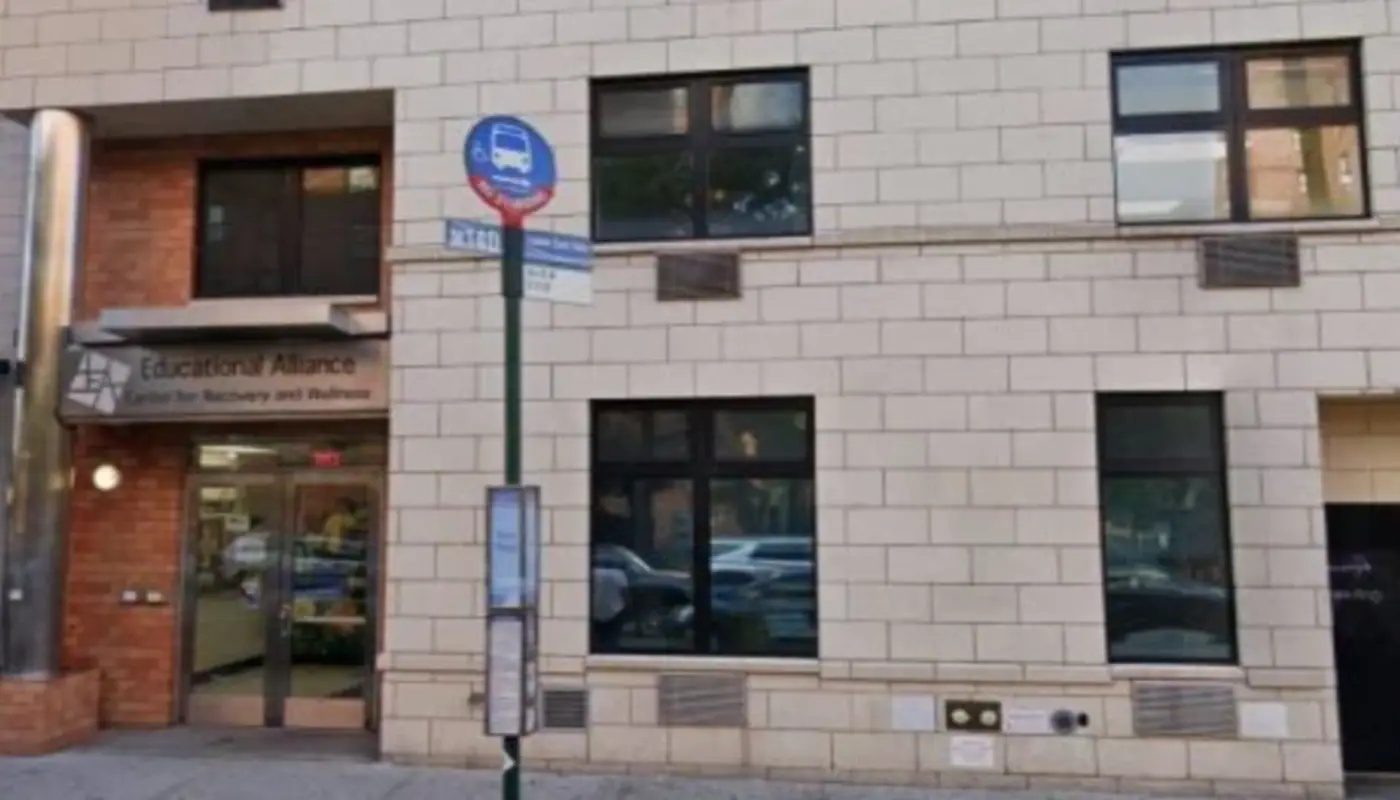
The Center for Recovery and Wellness is a treatment center in New York City. It offers residential and outpatient care to men and women at 1 East Village address. Staff build an individual plan around each person.
- Residential Rehab
- Outpatient
- 30 days
The Center for Recovery and Wellness helps adults in New York City who are facing substance use. It offers two levels of care, residential rehab and outpatient services, allowing a person to start in one and transition to the other as their circumstances evolve. The program is run by a nonprofit, the Educational Alliance, which has served the New York community for many years.
Staff at this center for recovery and wellness New York families can lean on build a plan for each person, and medication-assisted treatment may be part of it. So might group therapy, art and music sessions, and relapse prevention counseling that rehearses difficult moments ahead of time. Practical help sits alongside the clinical work, including housing support, education and vocational guidance, health education, and parenting classes. The aim is to help someone steady themselves, leave with a relapse prevention plan, and stay connected to support afterward. Anyone comparing New York treatment centers should note that this one pairs counseling with help for daily living.
Programs at our center for recovery
This center offers two levels of care, residential rehab and outpatient services, and residential care generally runs 30 days. The center for recovery and wellness New York residents attend draws on cognitive behavioral therapy, dialectical behavior therapy, and one-on-one counseling. The weekly schedule also includes group therapy, psychoeducation, and recreation therapy, and medication-assisted treatment is available when it fits the individual's plan. The approach is evidence-based and does not rely on a 12-step model.
This New York rehab center addresses substance use involving alcohol, benzodiazepines, cocaine, heroin, methamphetamine, prescription drugs, and other substances, with a plan customized to the person. If someone needs a lower level of care after residential treatment, then outpatient services at this New York facility allow that step without leaving the program entirely. Art therapy and relapse prevention counseling offer opportunities to practice new ways of coping with stress. Every plan is reviewed as treatment progresses.
- Cognitive Behavioral Therapy
- Dialectical Behavior Therapy
- Psychoeducation
- 1-on-1 Counseling
- Evidence-Based
- Non 12 Step
- Relapse Prevention Counseling
- Recreation Therapy
- Art Therapy
- Medical
Who this program is designed for
- Adults with a substance use disorder seeking either residential or outpatient care
- People who prefer an evidence-based program that is not built on the 12 steps
- Individuals for whom medication-assisted treatment may be part of the plan
- Those who need help with housing, education, work, or parenting alongside treatment
- New York residents looking for a program in Manhattan that offers both levels of care
Setting and program length in Manhattan
The center sits at 25-29 Avenue D, New York, NY 10009, in Manhattan, and residential care typically lasts 30 days. A center for recovery and wellness New York City residents can reach easily may suit families who want to stay involved during treatment. Services are offered in English, and the program serves men and women. Creative and recreation therapies are part of the schedule. If you are weighing this location against another, ask how visits and free time are handled and whether the commute works for the people supporting you.
Payment and insurance at this rehab
The center's SAMHSA listing does not spell out which insurance plans or payment methods it takes, so you must verify coverage by calling the center. If you want to know whether New York Medicaid applies here, phoning the helpline can assist you sort out what to ask. Trained staff answer the helpline, it costs nothing, stays private, and does not obligate you to treatment. Have your plan details ready before you call the center, and ask about self-pay as well as insurance.
Questions worth asking this center
- How long does someone typically stay, and what kind of progress check happens before moving to outpatient care?
- Which insurance plans do you accept, and who verifies coverage?
- How is medication-assisted treatment incorporated, and who oversees it?
- What housing, education, vocational, or parenting help is available during treatment?
- How does a typical day differ between residential rehab and outpatient care here?
- Is there a plan for continuing care once someone finishes the program?

Facilities nearby in New York
-

The Bridge
New York, NY30 days · 16-30 beds
-
Columbus Park
New York, NY30 day
Columbus Park New York is an outpatient program for eating disorders.
View center -
Forward Trust
New York, NY30 days · 16-30 beds
- Residential Rehab
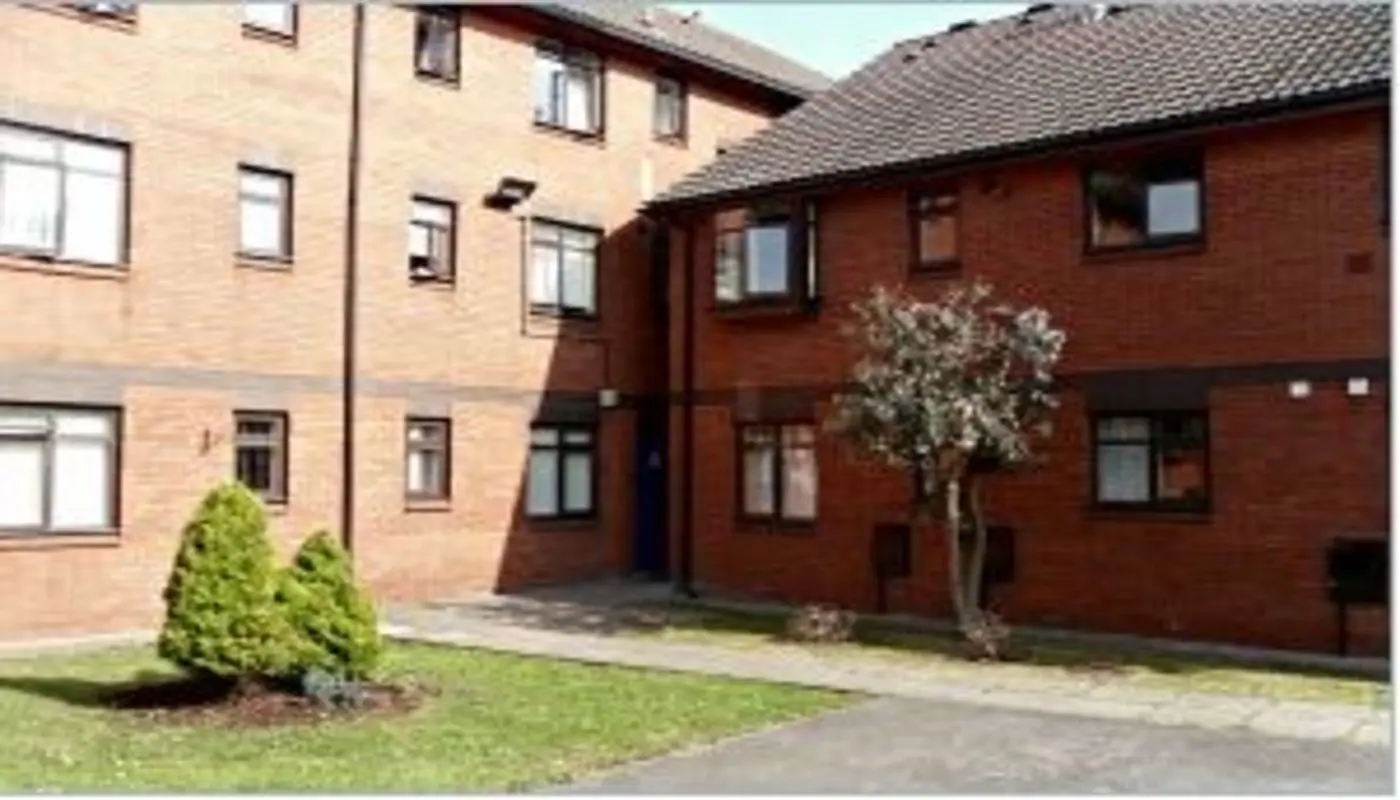
The Bridges is the residential rehab in New York City that people mean when they say Forward Trust New York.
View center
FAQ
What types of rehab does the center for recovery and wellness New York offer?
Two levels: residential rehab and outpatient care, and residential treatment typically runs 30 days. Both levels draw on individual and group counseling, medication-assisted treatment where appropriate, and relapse prevention counseling. The model is evidence-based and does not use the 12 steps as its frame. Art and music therapy add another way to work through what brought someone in. The helpline can help you think through which level might suit the situation.
Does this New York rehab center take Medicaid or insurance?
The SAMHSA listing does not say which plans or public programs the center accepts, so you will need to confirm coverage by calling the center. Before you make any plans, ask directly about Medicaid, private insurance, and self-pay. The helpline can help you connect with the center's staff and prepare those questions. Calls to the helpline are free, stay private, and you do not have to sign up for care.
How long do people usually stay in inpatient rehab here?
At this center, the typical length of residential rehab is 30 days, though the individual plan shapes how long someone actually stays. Some people step down to outpatient care sooner, and others need more time. Ask how the center decides when someone is ready to move to a lower level, and what continuing support looks like after discharge.
What therapies are offered at this New York drug rehab program?
The center lists cognitive behavioral therapy, dialectical behavior therapy, 1-on-1 counseling, group therapy, art therapy, psychoeducation, recreation therapy, and relapse prevention counseling, along with medication-assisted treatment. Because the program is evidence-based and non-12-step, then someone who has tried a different model may find a fresh approach here. Therapies focus on understanding substance use and building skills that hold up after discharge.
What makes this a center for recovery and wellness New York families can consider?
In Manhattan, the center pairs residential rehab and outpatient care with help around housing, schooling, employment, and parenting. That combination counts when someone is putting daily life back together. The nonprofit behind the center, the Educational Alliance, has served New Yorkers for decades. Each plan is built for the individual, and medication-assisted treatment is one option. A call to the helpline can confirm current availability and whether your coverage applies.
What's the best way to find out if this center has a bed available?
Openings shift, and the SAMHSA listing doesn't reflect current availability, so the center is the best place to ask. Call the helpline and staff can help you get the number, get your questions ready, and identify other options among the 609 SAMHSA-listed facilities in New York. Calls are free and private, and making one doesn't lock you into anything.
Talk through this center with someone
The helpline connects you with trained staff who can tell you more about the Center for Recovery and Wellness and other SAMHSA-listed programs in New York. Calling costs nothing, your information stays private, and you decide what to do next. Use it to ask about openings, work through coverage questions, and get answers before you commit to anything.