Drug rehab New York, what to know
Finding drug rehab in New York starts with knowing what is available near you. Statewide, SAMHSA lists 609 facilities offering different levels of care. This guide helps you compare options and take a practical next step.
- programs on the list
- 70
- take Medicaid
- 62

If you're looking for drug rehab in New York, start with size: SAMHSA FindTreatment.gov lists 609 facilities statewide as of November 2026. Those listings include a mix of inpatient, outpatient, detox, and medication-assisted programs. The right setting depends on your health, your home situation, and what your insurance will pay for. No single program suits everyone, so comparing a few concrete details counts for more than chasing a big name.
Focusing on New York specifically, the listings show 70 facilities in the area. Of those, 19 offer detox, 13 provide residential care, and 3 run partial hospitalization programs. Intensive outpatient services appear at 24 sites and general outpatient care at 55. Medication support is common: 17 sites are opioid treatment programs and 60 offer buprenorphine. Many New York treatment centers accept Medicaid, with 62 listings showing that coverage. That can make care more reachable than people expect.
Distance is a practical question. The listings place these facilities around the New York area, though drive times vary by borough and neighborhood. If you need to stay close to work or family, outpatient and intensive outpatient programs might fit better than residential care. If withdrawal is a concern, a detox or inpatient setting with medical supervision is worth discussing first. People with a substance use disorder can compare levels of care by calling the free helpline. Advisors can explain what each level involves and which questions to ask a program directly.
Paying for drug rehab in New York
Cost is often the first hurdle people mention, so the listings are a practical starting point. In New York, 62 facilities list Medicaid, 43 list Medicare, and 55 list private insurance. Sliding-scale fees appear at 31 sites. Rehab options that take New York Medicaid appear at 62 facilities, so your coverage may reach further than you think. Federal parity rules also mean many plans must cover addiction and mental health treatment comparably to medical care, though networks and prior authorization vary from plan to plan.
When you have insurance, dial the number on your card and ask two things: whether the program is in network, and whether prior authorization is needed. If a New York rehab center is in network, your out-of-pocket costs are usually lower and paperwork is reduced. Without insurance, ask about state-funded programs and sliding-scale fees. The helpline is free, keeps what you share private, and puts you under no obligation. Advisors can help you get questions ready for Medicaid or your insurer, though they cannot promise coverage or admission.
- take Medicaid
- 62
- take private insurance
- 55
- take Medicare
- 43
- provide a sliding fee scale
- 31

Listed facilities in New York
| Provider | City | Levels of care | Takes |
|---|---|---|---|
| Lower Eastside Service Ctr Inc | New York | Residential | Medicaid, Insurance |
| Leadership Center | New York | Detox, Residential | Medicaid, Insurance, Sliding fee |
| VA NY Harbor Healthcare System | New York | Detox, IOP, Outpatient, OTP | Insurance |
| Inter Care Ltd | New York | IOP, Outpatient | Insurance |
| Mountainside Chelsea | New York | IOP, Outpatient | Insurance, Sliding fee |
| Freedom Institute Inc | New York | IOP, Outpatient | — |
| Ascendant New York | New York | Detox, Residential | Insurance |
| New York Center for Living Inc | New York | IOP, Outpatient | — |
| Ascendant New York | New York | PHP, IOP, Outpatient | Insurance |
| Metropolitan Center for Mental Health | New York | Outpatient | Medicaid, Medicare, Insurance, Sliding fee |
| Samaritan Daytop Village Inc | New York | Residential | Medicaid, Medicare, Insurance |
| Odyssey House Inc | New York | Detox, Residential | Medicaid, Insurance, Sliding fee |
| Odyssey Manor IR 2 | New York | Residential | Medicaid, Medicare, Insurance, Sliding fee |
| Odyssey House Inc | New York | Detox, Residential | Medicaid, Sliding fee |
Levels of care at New York drug rehabs
The level of care that fits depends on how severe the substance use is, your living situation, and whether you need medical monitoring. In New York, 19 listed facilities offer detox, 13 provide residential treatment, and 24 run intensive outpatient programs. Outpatient care is the most common, with 55 listings. Inpatient and outpatient rehab programs in New York differ mainly in intensity and daily structure. If you have a stable home and can attend several sessions a week, outpatient may be workable. If you have tried outpatient before without enough support, residential care might be the better conversation.
Stopping alcohol or benzodiazepines can be dangerous, so a clinician should be part of the process. That is not a reason to panic, but it is a good reason to plan ahead. Where alcohol or benzodiazepine withdrawal is a worry, a New York detox program with medical staff is the safer place to ask about first. Medications for opioid use disorder, including buprenorphine and suboxone, appear at 60 listings. Dual diagnosis care, which treats mental health and substance use together, is available at 51 sites. It is reasonable to ask whether a program handles both.
That first call is usually about seeing what fits, not signing on to anything. Ask how a normal day looks, how long people typically stay, and what support exists after someone leaves. If you cannot tell which level of care fits, a short conversation with an advisor can narrow things down. They do not diagnose or admit anyone, but they can explain how detox, residential, and outpatient settings differ, which helps you make a more focused call to a program yourself.
Local health figures for New York
Adult rate in New York next to New York, based on CDC PLACES estimates (2023).
| Indicator | New York | New York |
|---|---|---|
| Binge drinking | 16.9% | 16.6% |
| Often mentally distressed | 15.4% | 15.6% |
| Depression | 16.4% | 17.3% |
| Regular smokers | 11.4% | 11.5% |
| Lacks health coverage (18-64) | 10.6% | 9.1% |
Other New York areas with rehab listings
If the New York listings feel limited or the wait is long, nearby areas have their own options. Brooklyn lists 52 facilities, the Bronx 39, and Buffalo 29. Rochester shows 23, Albany 20, and Staten Island 18. Rehabs in New York and surrounding boroughs can differ in wait times and specialties, so it helps to check more than one. If you are willing to travel within the state, you may find a program that matches your insurance or your need for Spanish-language services, which appear at 46 New York listings.
For some people, staying near home is the priority. For others, a change of setting helps. When you need a program that fits your schedule, then comparing outpatient centers across New York and Brooklyn can widen the list without a long move. The helpline can talk through location and level of care together, so you are not choosing one without the other.

Rehab programs serving New York
-

The Bridge
New York, NY30 days · 16-30 beds
-
Columbus Park
New York, NY30 day
Columbus Park New York is an outpatient program for eating disorders.
View center -
Forward Trust
New York, NY30 days · 16-30 beds
- Residential Rehab
The Bridges is the residential rehab in New York City that people mean when they say Forward Trust New York.
View center -
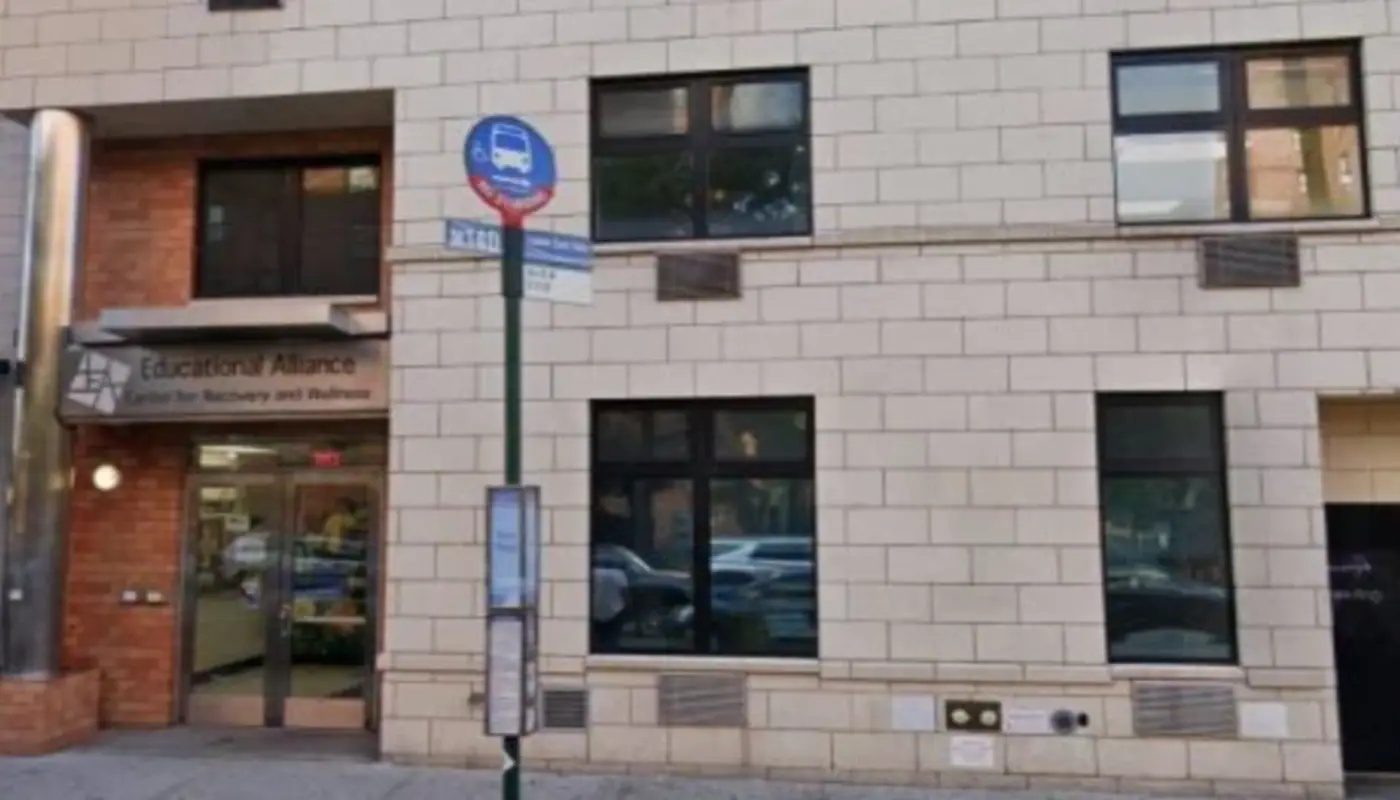
Center for Recovery and Wellness
New York, NY30 days
- Residential Rehab
- Outpatient
The Center for Recovery and Wellness is a treatment center in New York City.
View center
FAQ
How many drug rehab centers are in New York?
As of November 2026, SAMHSA lists 609 facilities throughout New York State, with 70 of them in the New York area. Detox, residential, outpatient, and medication-assisted programs all appear in those listings. Numbers shift as programs open or shut, so checking current listings is worthwhile. A call to the free helpline can narrow things down by insurance, location, and level of care.
Does New York Medicaid cover drug rehab?
Across the state, 62 facilities in the SAMHSA listings note Medicaid as a payment option. Coverage varies with the level of care and your plan, so confirm it by calling both your Medicaid plan and the program. When a facility is out of network, ask whether it offers sliding-scale fees, which 31 New York listings do. The helpline can help you prepare your questions, but it cannot promise coverage.
What are the different types of rehab?
The main types are detox, residential or inpatient, partial hospitalization, intensive outpatient, and standard outpatient. In New York, 19 facilities list detox, 13 list residential care, 3 list partial hospitalization, 24 list intensive outpatient, and 55 list outpatient. Medication-assisted treatment with buprenorphine appears at 60 sites, and 17 are opioid treatment programs. The right type depends on your health, home situation, and insurance.
How long do people usually stay in inpatient rehab?
Length of stay varies by program and by need, and no single number works for everyone. Residential programs may run a few weeks to a few months, while detox is usually shorter and focused on medical care. In New York, 13 facilities list residential care. Ask each program directly how long people typically stay and what aftercare is included. The helpline can help you compare the answers.
How long do people with a drug addiction stay in rehab?
In New York, 13 SAMHSA-listed facilities offer residential care and 55 list outpatient services, which vary a great deal in length. Detox tends to be the briefest phase, while residential stays can run from several weeks to several months. Outpatient and intensive outpatient schedules often continue longer and step down over time. Every program sets its own timeline, so ask each one directly what a typical stay looks like.
Speak with a New York advisor
Trained referral specialists who are connected with licensed treatment programs answer the helpline, and there is no cost to you. What you say remains private, and talking with them commits you to nothing. If you want to compare New York rehab programs, the helpline can help you write down the questions that matter. Advisors explain levels of care and how payment works, but they do not diagnose and cannot promise admission. Call whenever you like, any hour, to settle on the next practical step.