Central Park Recovery Yonkers
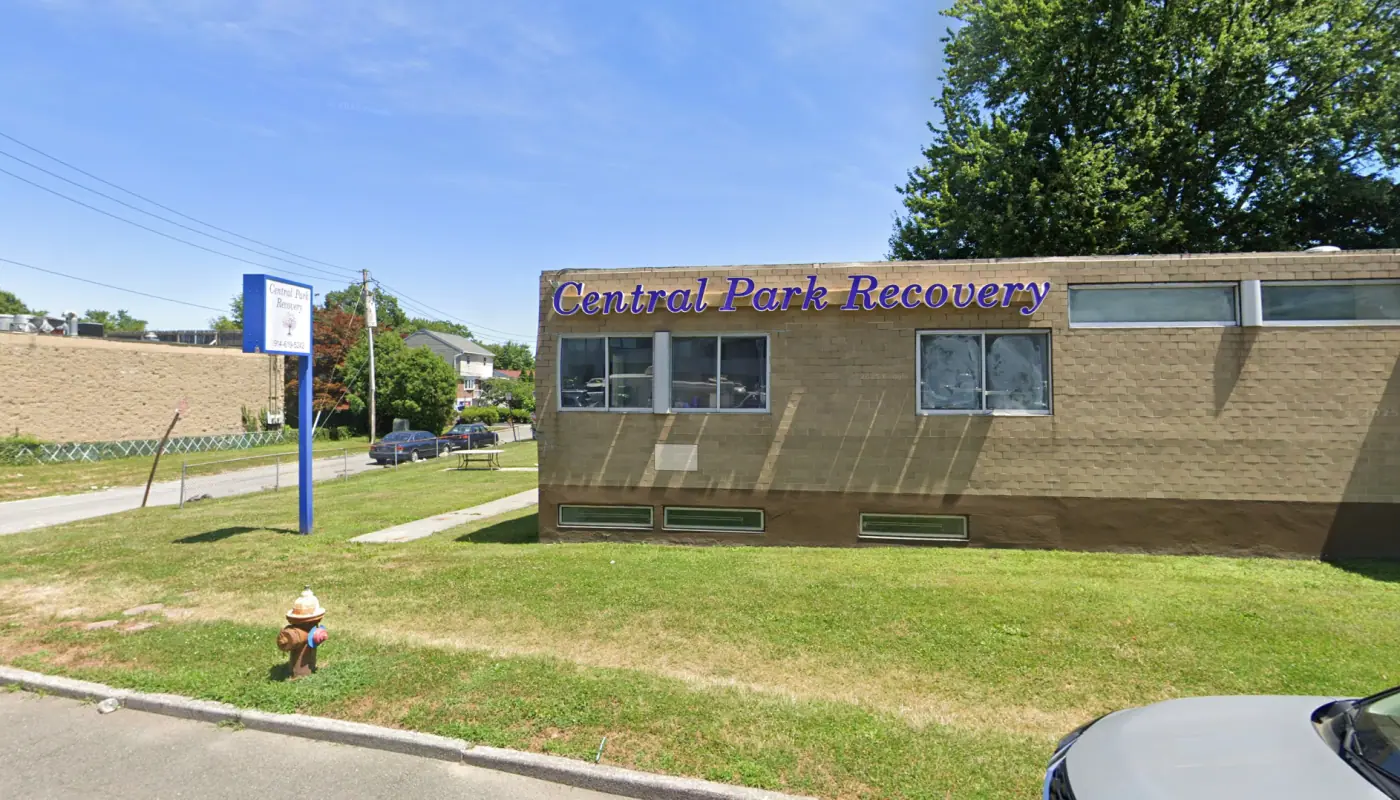
Central Park Recovery Yonkers provides outpatient treatment for substance use and dual diagnosis care. It is one of 609 SAMHSA-listed facilities in New York. The program includes counseling, family therapy, and medication-assisted care.
- Co-Occurring Mental Health
- Outpatient
- 30 days
- Spanish spoken
Central Park Recovery is an outpatient center operated by a private organization, located on Central Park Avenue in Yonkers, New York. The facility provides care for substance use disorders, including problems with opioids and alcohol, and it also serves people who have mental health conditions occurring at the same time. The center offers two outpatient levels, with one requiring more of a person's time than the other, so that scheduling can adapt to what someone is actually able to handle during any given week.
Staff treat addiction as a long-term condition rather than a single event. Care is planned person by person, goals are set in structured steps, and relatives are brought in where that helps. The setting is meant to feel private and respectful, which counts for people wary of walking into a program at all. Choosing outpatient care at a New York center depends on whether home life is stable enough to support it.
The approach pairs evidence-based methods with attention to the whole person. Alongside therapy come same-day assessments and quicker starts on medication-assisted treatment, plus evening and weekend hours for people whose jobs or family duties fill the weekday. Continuing care and outpatient follow-up remain open after discharge.
Central Park Recovery Yonkers
This center provides outpatient care only, at an intensive level and a less intensive one, and it includes treatment for dual diagnosis care. A typical program runs 30 days, but each person's plan is set individually. If someone needs 24-hour monitoring, a New York inpatient program is a safer referral than an outpatient center. Listed therapies include individual counseling, cognitive behavioral therapy, family therapy, group therapy, life skills work, medication-assisted treatment, online trauma specific therapy, therapy, and relapse prevention counseling, described as evidence-based and family-involved, with medical support available.
Medication-assisted treatment is a focus, and the center reports quicker starts for people who need it. Naloxone training is also provided so families and patients can respond to an overdose. If you are comparing rehabs in New York, ask directly how the medication piece is supervised and who manages it. Comparing rehab centers in New York works best when you ask how fast medication-assisted treatment can begin.
- Cognitive Behavioral Therapy
- Trauma-Specific Therapy
- Family Involvement
- Group Therapy
- Family Therapy
- Life Skills
- Medication-Assisted Treatment
- Evidence-Based
- Online Therapy
- 1-on-1 Counseling
Who this Yonkers program is built for
- Adults of all genders, with services for men and women; the center also offers a Latino Program
- People with alcohol use disorder who want structured outpatient support
- People with opioid or heroin concerns, including those seeking medication-assisted treatment
- People with dual diagnosis care like stress and trauma responses
- People in chronic relapse who need steadier structure than weekly counseling alone
- Family members looking for education, therapy involvement and naloxone training
Program length, where you stay, languages
The center sits at 2176 Central Park Ave. in Yonkers, New York, within reach of much of the New York City area, and programs typically run 30 days. An outpatient rehab in New York with evening and weekend hours fits around work and family duties. Patients are seen in air-conditioned rooms, with private or shared space and comfortable seating. Sessions are offered in English and Spanish.
Paying for outpatient care in Yonkers
This is a private facility, and the payment details listed do not confirm which plans it accepts. If your plan isn't accepted, the helpline can direct you to New York Medicaid options. Call the helpline and a trained advisor will verify your coverage with the center before you agree to anything. The call is free, remains private, and does not require you to enroll anywhere. If you rely on Medicaid in New York, ask specifically whether the center takes your plan.
Questions for this Yonkers center
- What weekly time commitment should I expect at the intensive level compared with the standard outpatient level?
- Who oversees medication-assisted treatment, and how soon could it start for me?
- Do you accept my insurance, and what personal cost might I face?
- How are family sessions and naloxone training arranged, and can relatives join remotely?
- What does continuing care look like in the weeks after the 30-day program ends?
Facilities nearby in Yonkers
-
- Co-Occurring Mental Health
- Outpatient
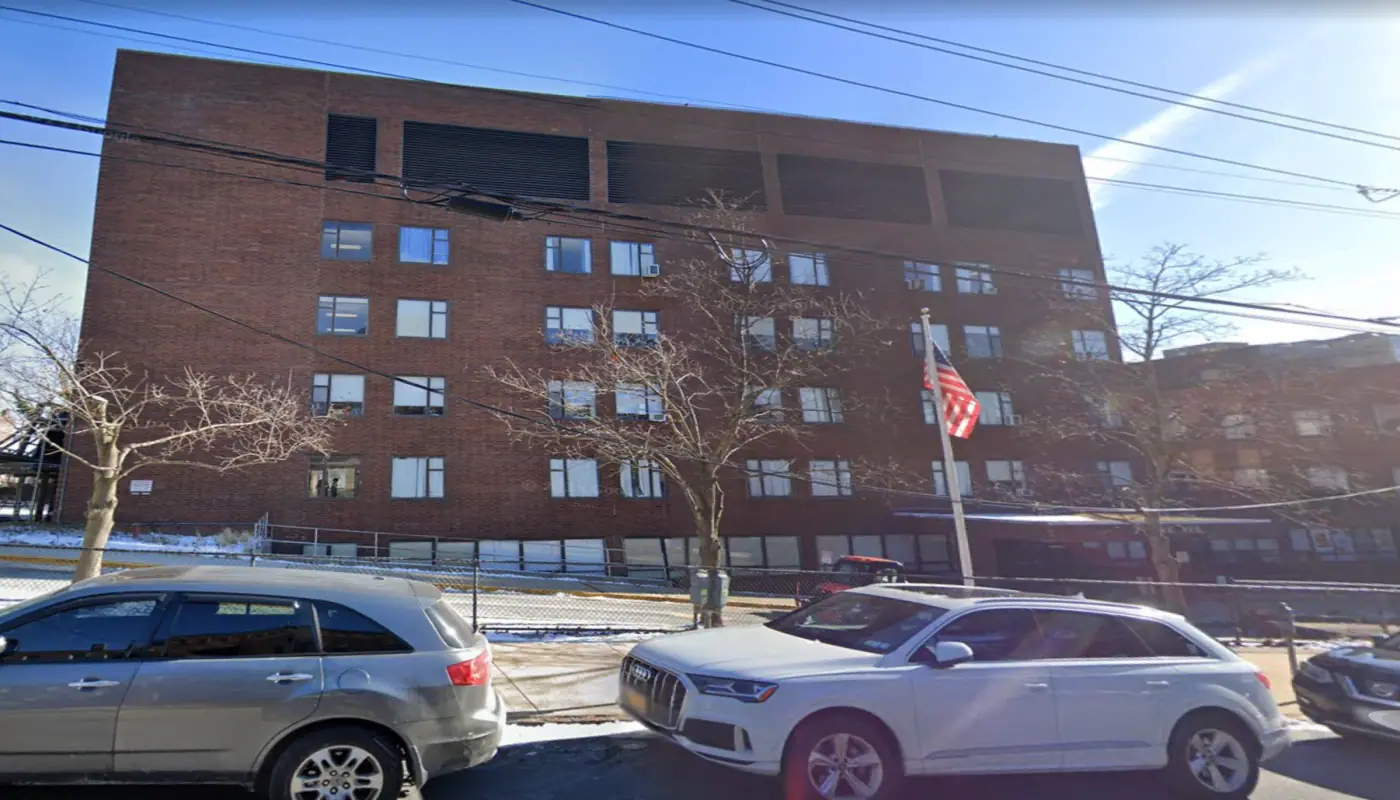
Saint Johns Riverside Hospital Yonkers offers outpatient care that addresses substance use and mental health together.
View center -
- Joint Commission
- Co-Occurring Mental Health
- Outpatient
Saint Josephs Medical Center Positive Yonkers operates as an outpatient clinic.
View center -
- Joint Commission
- Co-Occurring Mental Health
- Outpatient
Saint Josephs Medical Center Positive Directions is an outpatient clinic in Yonkers, New York.
View center -
- Joint Commission
- Residential Rehab
- Co-Occurring Mental Health
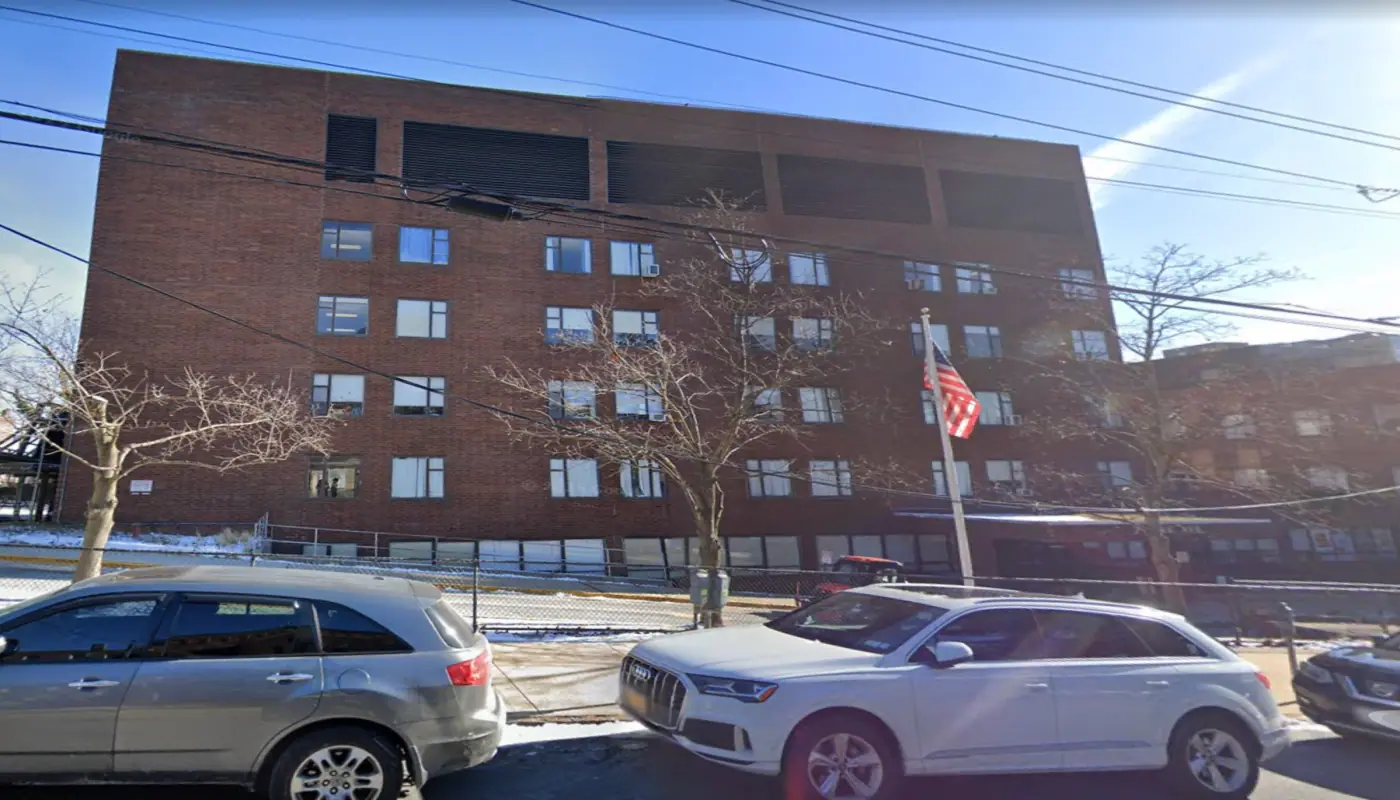
At Saint Johns Riverside Hospital inpatient Yonkers, care addresses substance use alongside dual diagnosis care.
View center -
LifeStance Health Yonkers
Yonkers, NY30 days
LifeStance Health Yonkers operates as an outpatient therapy practice located in Yonkers, New York.
View center


FAQ
What does Central Park Recovery Yonkers treat?
The center treats substance use disorders involving alcohol, opioids, and heroin, along with co-occurring mental health issues such as stress and trauma. Services are outpatient, available at both intensive and less intensive levels, and include individual counseling, cognitive behavioral therapy, family therapy, group sessions, life skills training, and medication-assisted treatment. Most programs run about 30 days, and same-day assessments plus evening or weekend appointments are offered.
Is Central Park Recovery Yonkers inpatient or outpatient?
Care here is outpatient. The center provides intensive outpatient and less intensive outpatient services, plus dual diagnosis care, rather than residential beds. That fits people who have a stable place to sleep and can attend sessions during the day or evening. If withdrawal risk is high or round-the-clock monitoring is needed, a clinician should point you to a higher level of care, as coming off alcohol or benzodiazepines can be dangerous.
Does Central Park Recovery Yonkers take Medicaid or insurance?
The listing does not say which insurance plans or Medicaid coverage the center accepts, so nothing here is a guarantee. Calling the helpline is the practical step and have a trained advisor check your coverage directly with the center at no charge and with no obligation to enroll. New York Medicaid follows its own network rules, so verify your specific plan.
How long is treatment at this Yonkers facility?
Programs usually last 30 days, but the plan is tailored to each person and continuing care follows. Outpatient schedules differ between intensive and less intensive tracks, and evening and weekend times are available for those who work. If you need care for a longer period, ask about the next step before the 30 days end so support doesn't stop suddenly.
What are the different types of rehab to consider?
Broadly, options run from inpatient and residential programs with round-the-clock staff to outpatient care at several intensities, plus medication-assisted treatment and continuing care afterward. This Yonkers center covers the outpatient end, including co-occurring mental health support, at two levels of intensity, with programs typically lasting 30 days. A free helpline call can clarify which New York treatment level matches your situation.
How do I know if outpatient care is enough for me?
Outpatient care fits people with steady housing, a daily routine, and no serious withdrawal danger at the outset. When a person drinks heavily or uses benzodiazepines and may be physically dependent, a clinician should assess them beforehand, because those withdrawals can be hazardous without medical oversight. If withdrawal risk is unclear, a medical assessment comes before any New York outpatient enrollment. The helpline can help you sort out which questions to ask and how to reach licensed providers.
Call about Central Park Recovery Yonkers
A single call can settle the practical questions: what the outpatient schedule looks like, how medication-assisted treatment begins, and whether your insurance applies. Trained advisors staff the helpline around the clock and connect callers with licensed treatment providers. There is no cost, it stays private, and nothing pushes you to accept a referral. If you are unsure which New York level of care fits, an advisor can talk it through without a sales pitch. Should another level of care fit better, the advisor can say so plainly.