Montefiore Medical Center Satp Unit Iii Bronx
Montefiore Medical Center SATP Unit III is an outpatient program on Jerome Avenue. It is one of 609 SAMHSA-listed facilities in New York. The helpline call is free and private.
- Joint Commission
- Co-Occurring Mental Health
- Outpatient
- 30 days
- Spanish spoken
This Bronx program sits on Jerome Avenue and treats substance use alongside mental health concerns in one coordinated plan. Rather than separating the two, the clinical team builds a single course of care that addresses drinking, drug use and emotional health together, and adjusts it as a person's needs shift. Because the unit is part of a larger medical center, people with both substance use and mental health diagnoses can be cared for by one team rather than being sent between separate offices.
Care here is outpatient, so people attend sessions and return home rather than staying overnight. Counseling and coping-skills work sit at the core, and trauma-focused support is available for those whose past includes difficult experiences. Family can be included when that helps, and the team begins with each person's own goals instead of a fixed template.
The unit holds Joint Commission accreditation and provides services in English and Spanish, which counts in a borough where both languages are widespread. Anyone starting care can expect an assessment first, followed by a plan built around their own circumstances. Montefiore Medical Center SATP Unit III Bronx serves people who need structured outpatient care close to home.
Programs, therapies, and care levels
Montefiore Medical Center SATP Unit III Bronx runs as an outpatient program able to handle dual diagnosis care, so substance use and mental health needs can be addressed with one clinical team. A typical program length is 30 days, although the plan is set individually following assessment. This is one of the New York outpatient centers that combines substance use and dual diagnosis care under one roof.
Much of the structure comes from weekly individual counseling, group work and family sessions, while cognitive behavioral therapy and dialectical behavior therapy supply concrete tools for managing urges and stress. Trauma-specific therapy is offered to people carrying difficult histories, and life skills plus nutrition counseling fill out the practical side. Online therapy widens options for those who cannot always come in person. Continuing care, an intensive outpatient program, recovery coach support and support meetings help people hold their momentum after the first phase ends. Should someone's needs exceed what outpatient care can hold, a higher level of care should be discussed rather than assumed.
- Online Therapy
- Cognitive Behavioral Therapy
- Dialectical Behavior Therapy
- Trauma-Specific Therapy
- Group Therapy
- 1-on-1 Counseling
- Nutrition Counseling
- Life Skills
- Family Therapy
Who this program is built for in Bronx
- Adults regardless of gender including men and women seeking outpatient care
- Younger and older adults at different points in life
- LGBTQ+ people looking for a setting that affirms who they are
- People facing mental health conditions at the same time as substance use
- People working on opioid use, chronic relapse, or smoking cessation
- Those dealing with trauma, anger, gambling or chronic pain management
Program length, where you stay, languages
Sessions are held at 2058 Jerome Avenue on the first and second floors, in an outpatient format that lets people stay at home between visits. Services are available in Spanish and English, and a typical program runs 30 days. Since this is an outpatient setting and not a residential one, there are no overnight accommodations; the environment centers on scheduled appointments, groups and counseling rather than a live-in stay. When someone needs a bed and 24-hour monitoring, a residential program is the better fit, and the helpline can help compare SAMHSA-listed options in the Bronx and nearby.
Paying for care at this Bronx program
Among the payment options are self pay rates shown in the listing, and staff can explain what a given plan will involve before anything begins. Coverage varies by plan and depends on which services a person needs, so the practical step is to call and let the helpline verify your benefits with the center directly. If your plan does not cover a service, you will learn that before committing to anything. Nothing is promised until that verification comes back, and calling costs nothing.
Worth asking before you agree to admit
- Who decides on the 30-day length, and can that be extended or shortened?
- What therapies will my plan include, and how frequently do sessions meet?
- How does the team coordinate substance use and mental health care together?
- How does continuing care work once the initial phase ends?
- How much will my insurance cover, and what would cash pay rates leave me owing?

Facilities nearby in Bronx
-
- Residential Rehab
- Co-Occurring Mental Health
VIP Community Services Rehab Bronx is a residential program located on Fairmount Place.
View center -
Camelot
Bronx, NY30 days
-
Northeast Family Services
Bronx, NY5 days
-
- Residential Rehab
- Co-Occurring Mental Health
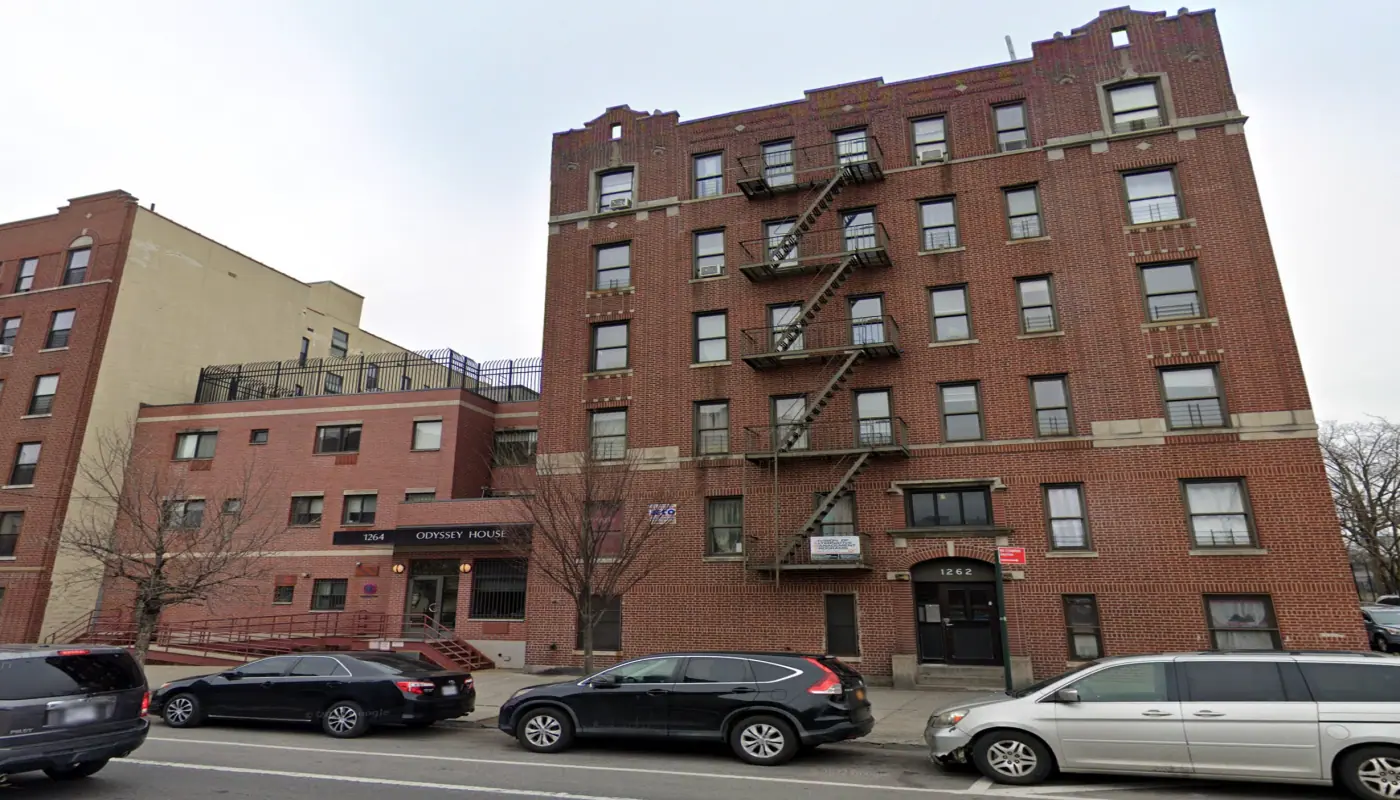
Odyssey House Lafayette Program Bronx, a residential rehab, is located on Lafayette Avenue in the Bronx.
View center -
Montefiore Medical Center Wellness
Bronx, NY30 days
- Joint Commission
- Co-Occurring Mental Health
- Outpatient
The Montefiore Medical Center Wellness Center at Melrose is an outpatient clinic located in the Bronx.
View center


FAQ
What is Montefiore Medical Center SATP Unit III Bronx known for?
This outpatient program, located on Jerome Avenue in the Bronx, treats substance use and dual diagnosis care in tandem, carries Joint Commission accreditation, and provides services in both English and Spanish. Most courses of care run 30 days. The site is one of 609 SAMHSA-listed facilities across New York, and you can call the helpline to ask whether space is open now.
Is this an inpatient or outpatient rehab in New York?
Because care is outpatient, people attend counseling and groups, then head home rather than sleep at the site. Therapy comes in individual, group and family formats, and cognitive behavioral and dialectical behavior therapy are offered too. The helpline can direct you to other matching SAMHSA-listed New York programs if what you actually need is inpatient or residential care.
Does the program accept Medicaid or insurance?
The listing shows cash pay rates as one payment option, and insurance gets reviewed individually rather than taken for granted. Coverage varies with your plan and which services are involved, so call the helpline and have them confirm details with the center before you agree to anything. If a service falls outside your plan, you find out early. The call itself costs nothing.
What should I do if I need help withdrawing from alcohol or benzodiazepines?
Withdrawal from benzodiazepines or alcohol can become medically risky, so a clinician ought to assess you before you quit. Detox is not offered at this outpatient unit; if your body is physically dependent, ask the helpline about a supervised detox setting first. Handling that step keeps you safe, and care can start once you are stable.
Which therapies are offered?
The center provides online therapy, dialectical behavior therapy, individual counseling, nutrition counseling, trauma-specific therapy, group therapy, family therapy, cognitive behavioral therapy, and life skills. With a typical course of 30 days, staff have time to shape a plan around what a person actually needs.
Checking openings and coverage in Bronx
If outpatient care at Montefiore Medical Center SATP Unit III is on your mind, a brief phone call is the next move. The helpline answers at all hours, charges no fee, and holds what you share in confidence, and those who pick up are trained to link you with licensed providers. They can check with the center about open slots, clarify what insurance might cover, and help arrange a supervised detox first when withdrawal risk is a concern. If withdrawal worries you, raise that question before any other. What comes after is your call.