Catholic Charities of Utica/Rome Womens Utica
Catholic Charities of Utica/Rome Womens Utica sits on Genesee Street in Utica. The program has offered residential and co-occurring care in New York since 1979. This page explains whom it serves and how to check whether it is a fit.

- Residential Rehab
- Co-Occurring Mental Health
- 30 days
This Utica residence is run by Catholic Charities of Utica/Rome as a women's program addressing substance use and dual diagnosis care. Each resident follows an individual service plan and attends intensive outpatient care with partner providers nearby in New York. Staff handle transportation to those appointments, and the setting is structured and free of alcohol and drugs. The aim in practical terms is stable, independent living with routines a person can maintain after discharge.
Substance use treatment here does not wait for mental health concerns to resolve first; the program addresses both at the same time through personalized treatment and individual counseling in Utica. Care is voluntary, and the center states that eligibility does not depend on a person's ability to pay. If you are comparing residential rehab centers in New York, then a phone call is the fastest way to confirm current openings and intake requirements. Staff describe a supportive, compassionate approach.
Catholic Charities of Utica/Rome Womens
Residential rehab and co-occurring mental health treatment are offered at Catholic Charities of Utica/Rome Womens Utica, with alcohol, drug, and smoking cessation handled alongside mental health conditions. Therapy choices include cognitive behavioral therapy, group and one-on-one counseling, and trauma-specific therapy in Utica. Medication-assisted treatment, motivational interviewing, relapse prevention counseling, Twelve Step facilitation, and life skills work complete the list. Individual, personalized, and Twelve Step elements are combined in the approach.
A residential stay usually runs 30 days, and aftercare covers employment counseling and support meetings. This Utica center lists both levels of care for women needing residential rehab in New York with co-occurring support. AA and NA meetings appear on the weekly schedule. If someone arrives at significant withdrawal risk from alcohol, benzodiazepines, or opioids, a clinician should assess and oversee that period before residential care starts, since unsupervised withdrawal from alcohol or sedatives can turn dangerous. The helpline can help you ask how this center manages that handoff.
- 1-on-1 Counseling
- Group Therapy
- Twelve Step
- Medication-Assisted Treatment
- Trauma-Specific Therapy
- Motivational Interviewing
- Cognitive Behavioral Therapy
- Life Skills
- Relapse Prevention Counseling
- Individual Treatment
Who this program is built for in Utica
- Women looking for residential treatment for alcohol or drug use
- Grown-ups facing a mental health condition alongside substance use, where the two need care at the same time
- Older adults and young adults who want a structured, alcohol- and drug-free setting
- Women working on anger, trauma, or perinatal mental health concerns alongside substance use
- People who want peer support through AA, NA, or secular sobriety groups
Location, duration, and language options
Rooms have air conditioning, and the residence holds 31 to 50 beds. At this Utica women's facility the typical program length is 30 days, though actual stays depend on clinical need. Services are provided in English, and AA and NA meetings are part of the activity schedule. Because bed counts and availability shift, ask the center directly about the current wait. If a stay must go beyond the usual 30 days, the treatment team and the resident make that decision together.
Covering costs for care at this center
The center says that whether someone can pay is not part of eligibility, and that counts for anyone considering cost before they call. Medicaid and private insurance frequently cover New York residential programs, yet plan rules and levels of care differ, so the only dependable answer comes from verifying by phone. The helpline offers a private, free way to start that check; speaking with an advisor commits you to nothing, and admission or coverage cannot be promised in advance. If a plan ends up not covering residential rehab, ask what other New York options the advisors can describe.
Worth asking before you agree to admit
- Is there a bed open now for a woman needing residential care?
- How does the center screen for withdrawal risk, and who oversees that care?
- Which insurance plans and Medicaid managed care plans are accepted here?
- How is the individual service plan built, and how often is it reviewed?
- What does transportation to partner outpatient appointments look like in practice?
Facilities nearby in Utica
-
- Residential Rehab
- Co-Occurring Mental Health
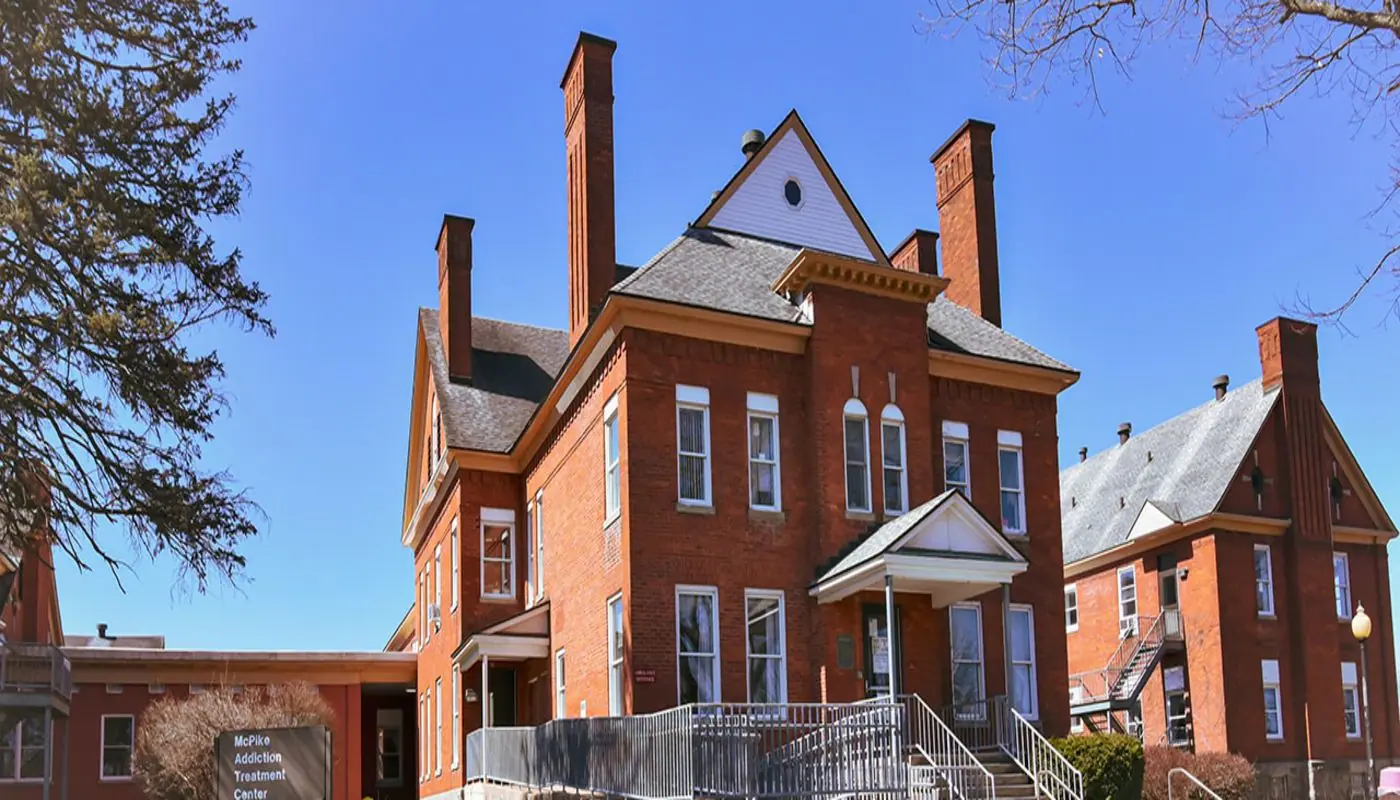
McPike addiction treatment center Utica is a residential program located in upstate New York.
View center -
- Residential Rehab
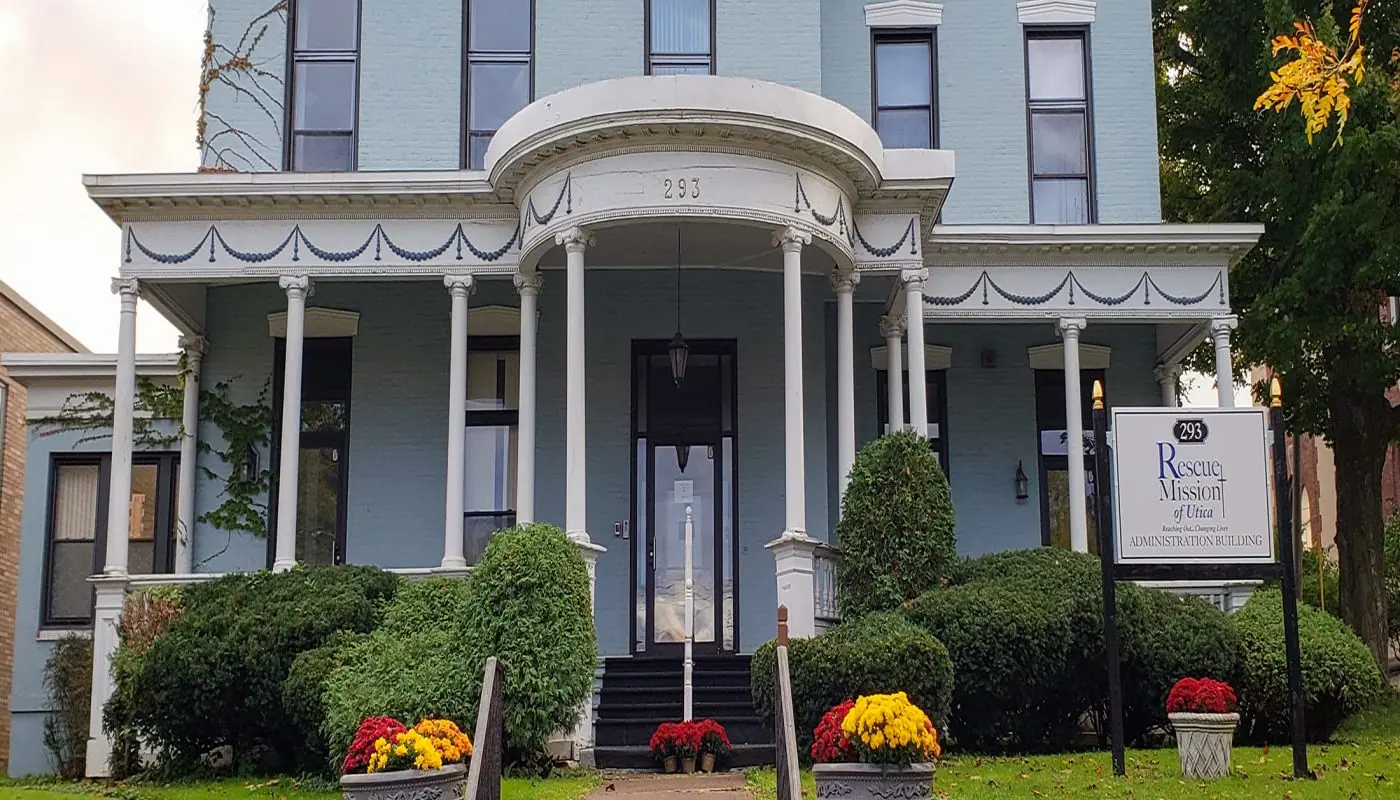
Rescue Mission of Utica addiction Utica is a residential setting on Genesee Street.
View center -
Catholic Charities/Diocese of Syracuse
Utica, NY30 days
- Residential Rehab
- Co-Occurring Mental Health
Catholic Charities/Diocese of Syracuse Utica operates a men's residence with 16 beds.
View center -


FAQ
Does Catholic Charities of Utica/Rome Womens Utica offer residential rehab in New York?
Yes. The center is listed for residential rehab with dual diagnosis care, and it has been in Utica since 1979. The residence has 31 to 50 beds, and a typical program lasts 30 days. Since availability changes, call to confirm an opening, and expect the intake team to assess withdrawal risk and mental health needs prior to admission. For comparison, SAMHSA listings for New York show 609 facilities statewide.
What therapies are used at this Utica women's program?
Services on the list include individual counseling, cognitive behavioral therapy, group therapy, medication-assisted treatment, motivational interviewing, relapse prevention counseling, trauma-specific therapy, Twelve Step facilitation, and life skills work. Care is individualized, and dual diagnosis care is addressed together with substance use. AA and NA meetings are available, and aftercare covers employment counseling plus support meetings. Ask how each element fits the service plan you receive.
What does the program cost, and is Medicaid accepted?
The center states that eligibility does not hinge on ability to pay, so cost should not stop anyone from calling. Coverage for a residential stay under Medicaid or a commercial plan depends on the plan and level of care, and only the center can verify this for your situation. The helpline is private and free, links callers to licensed providers via trained advisors, and commits you to nothing.
How long do people usually stay in a program like this one?
The standard duration shown here is 30 days. Real lengths of stay differ based on clinical needs, what insurance approves, and how someone progresses on their individual service plan. When more support is required, aftercare options like job counseling and community support groups can carry the work forward once someone leaves. Find out from the intake team how they determine readiness for discharge and what follow-up they set up.
Can I use this helpline if the Utica program is not the right fit?
Yes. Through trained advisors, the helpline connects callers with licensed treatment providers, and it can describe other New York options, such as outpatient and residential care. The service costs nothing, your information stays private, and you are under no obligation. Advisors do not diagnose and cannot guarantee admission or coverage. If another level of care fits your needs, a short call can shorten the list before you start contacting centers yourself.
What should I expect on the first day at a Utica women's residence?
Expect an intake conversation about your history, medications, and mental health needs, followed by the start of an individual service plan. The center arranges transportation to partner outpatient appointments, and AA and NA meetings are on the schedule. Rooms are air-conditioned, and services are in English. If you take medication for a co-occurring condition, then confirm before arrival how it will be continued. Only the center can describe its current first-day routine.
Talk privately about this Utica program
One call can answer the practical questions: whether a bed is open, what insurance covers, and what the first day looks like. The helpline for New York addiction treatment is staffed around the clock, costs nothing to use, and keeps your information private. Advisors connect callers with licensed treatment providers; they do not diagnose, and they cannot promise admission or coverage. If this Utica facility is not the right fit, then they can point to other New York options, including residential and outpatient care.