McPike addiction treatment center Utica
McPike addiction treatment center Utica is a residential program located in upstate New York. It holds 68 beds, and most clients remain for 28 to 90 days. Below is what it offers and how you can check availability.
- Residential Rehab
- Co-Occurring Mental Health
- 90 days
- Spanish spoken
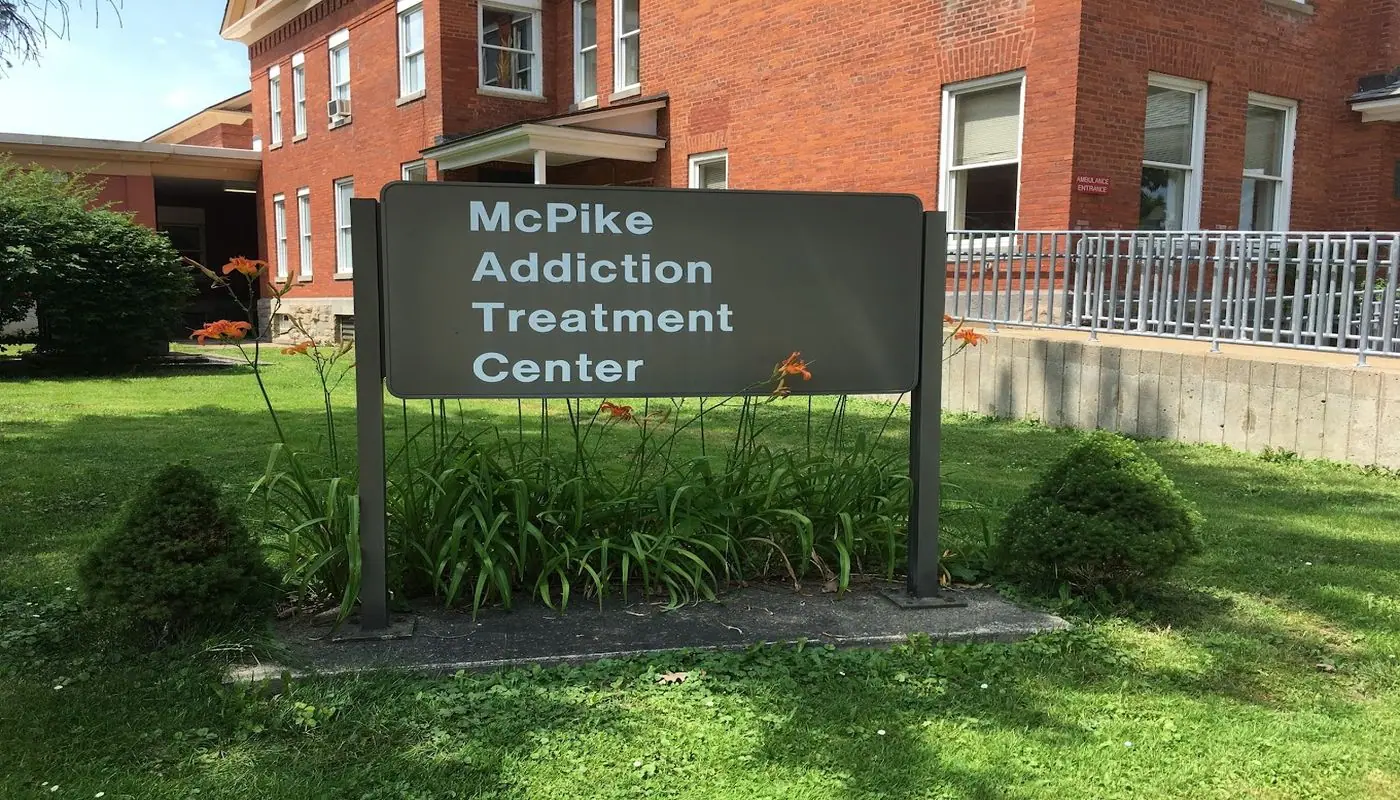
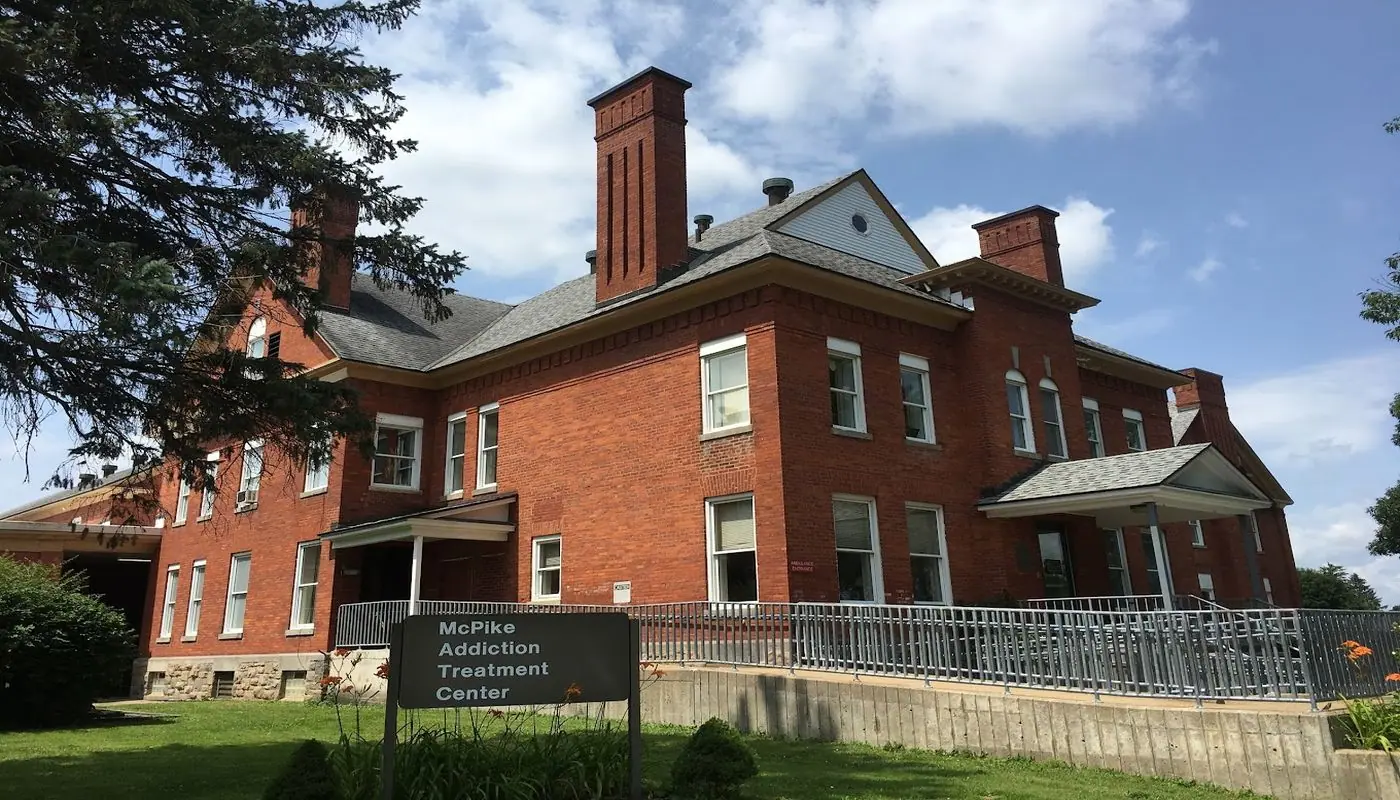
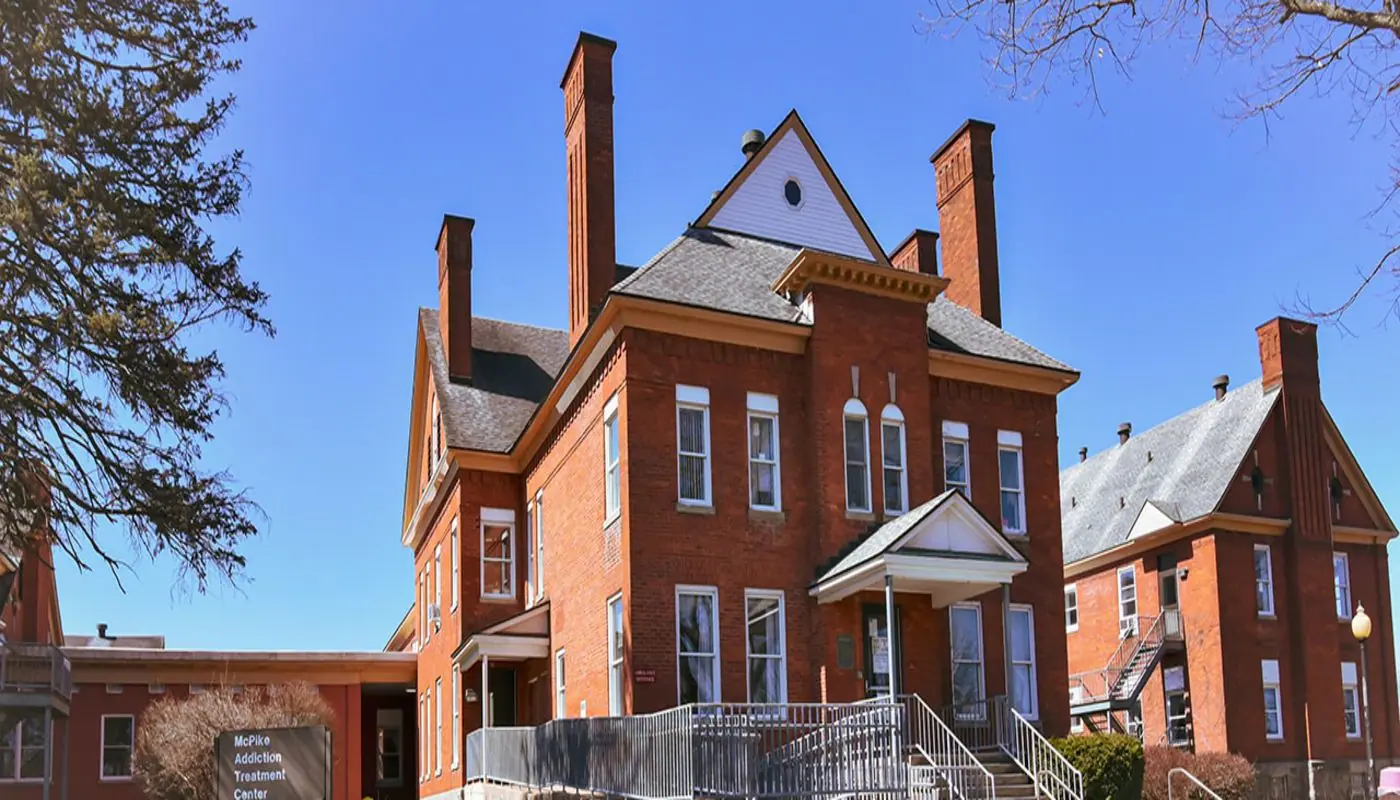
The grounds of Mohawk Valley Psychiatric Center, close to Utica University in upstate New York, is where McPike Addiction Treatment Center is located. Adults with a substance use disorder, frequently accompanied by a mental health condition, receive residential care here. Rather than addressing one concern first and the other later, treatment is designed to tackle both together.
The center runs under the New York State Office of Addiction Services and Supports, and its stated aim is that money should not decide who gets care. This New York residential rehab center serves adults who need structure and daily support rather than outpatient visits. A team of psychologists, social workers, addiction counselors, nurses, and recreation therapists coordinates each person's plan. Medication management, individual and group counseling, and relapse prevention work sit beside physical wellbeing activities.
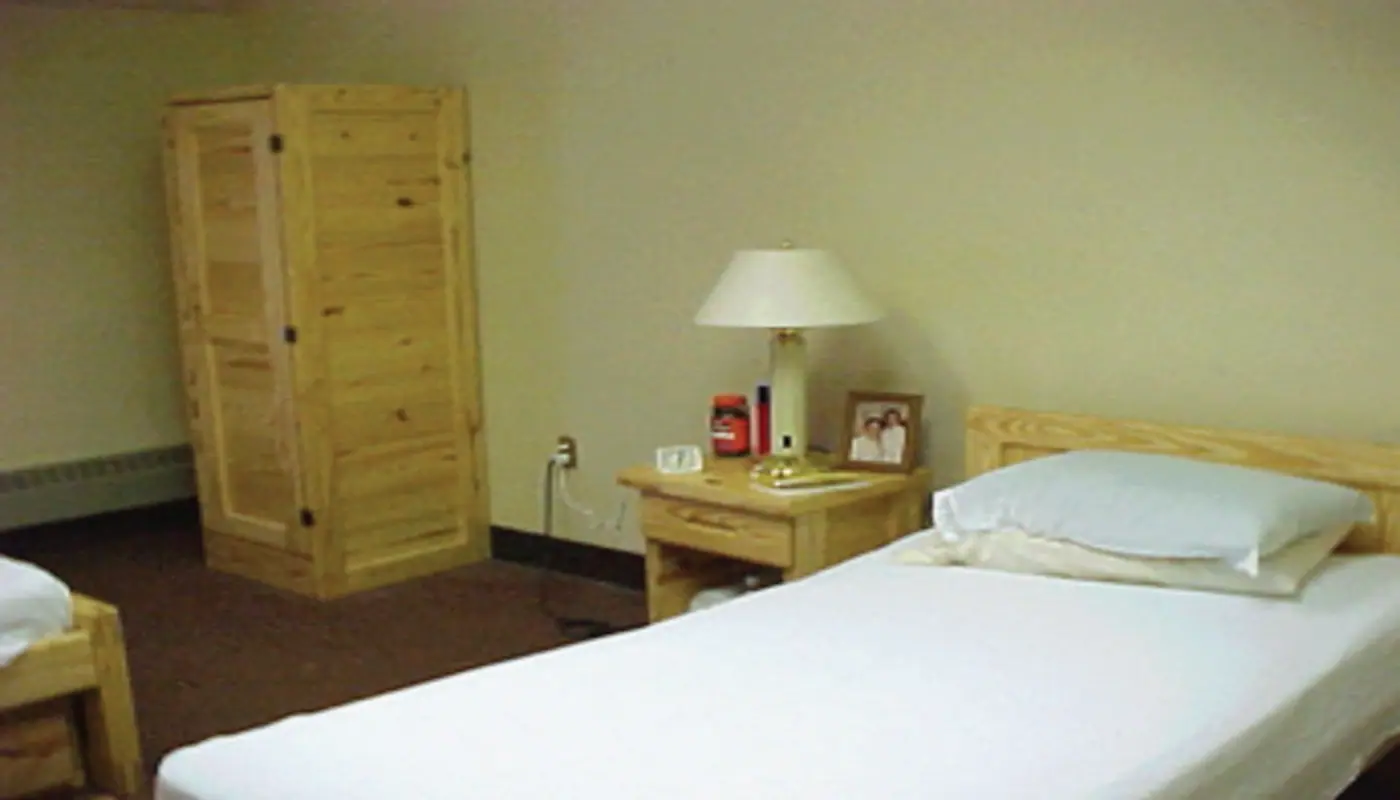
A separate women's track adds peer-led discussion and educational sessions. Someone entering residential care here can expect a structured day, shared rooms and bathrooms, and a smoke-free building. Outdoor space and a fitness center are on site, and staff speak English and Spanish.
McPike addiction treatment center Utica
Residential care is the primary level of care, and co-occurring mental health treatment is woven into the same plan instead of being referred out. The center combines evidence-based and holistic drug and alcohol treatment in New York across counseling, skills work, and recreation. Therapies offered include individual counseling, cognitive behavioral therapy, group therapy, motivational interviewing, trauma-specific therapy, relapse prevention counseling, life skills, recreation therapy, and Twelve Step facilitation.
Alcohol or benzodiazepine withdrawal can turn dangerous within hours, so a clinician should evaluate someone before any substance is stopped. Residential settings can monitor clients closely during that time. If a person requires medically managed detox first, the helpline can point to New York programs that offer it.
- Trauma-Specific Therapy
- Individual Treatment
- Strengths-Based
- Cognitive Behavioral Therapy
- 1-on-1 Counseling
- Life Skills
- Holistic
- Group Therapy
- Twelve Step Facilitation
- Recreation Therapy
Who this Utica program is built for
- Adults with a substance use disorder who need residential care rather than outpatient visits
- Those with co-occurring conditions such as depression and anxiety, post-traumatic stress disorder, or bipolar disorder
- Women, including those facing perinatal mental health concerns, through a dedicated women's program
- Young adults and adults of all genders, with men's and women's tracks available
- People working on alcohol, benzodiazepine, cocaine, heroin, methamphetamine, or other drug use, including those who have relapsed before
Location, duration, and language options
This facility holds 68 beds, and most clients stay between 28 and 90 days, with 90 days listed as the typical program length. Shared rooms, a smoke-free building, and outdoor space shape daily life at this New York facility near Utica. Clients can enjoy nature nearby and use a fitness center for physical activities. Services are available in English and Spanish, and continuing care and support meetings are arranged for after discharge.
- Access to Nature
- Fitness Center
- Outdoor Space
- Smoking Not Permitted
Paying for treatment at McPike
The center posts cash pay rates, and it says financial barriers should not keep people from getting treatment. Because the program operates under New York's state addiction agency, ask about state-funded placements directly before you plan around a specific cost. Insurance benefits vary by plan, so the helpline can assist you in verifying coverage and confirm what a stay would involve. The call is private, free, and does not obligate you to enroll. If Medicaid or a state-funded slot turns out to apply, an advisor can walk you through what to confirm with the center.
Worth asking before you agree to admit
- Is a bed available now, and how long is the usual wait for residential placement?
- Does the women's program have space, and what does a typical week in it look like?
- In what ways are dual diagnosis care addressed together with substance use during the stay?
- What does a stay cost, and does the center accept Medicaid or state-funded placements?
- What continuing care and support meetings are arranged for after discharge?
Facilities nearby in Utica
-

Catholic Charities of Utica/Rome
Utica, NY30 days · 31-50 beds
- Residential Rehab
- Co-Occurring Mental Health
Catholic Charities of Utica/Rome Womens Utica sits on Genesee Street in Utica.
View center -
- Residential Rehab
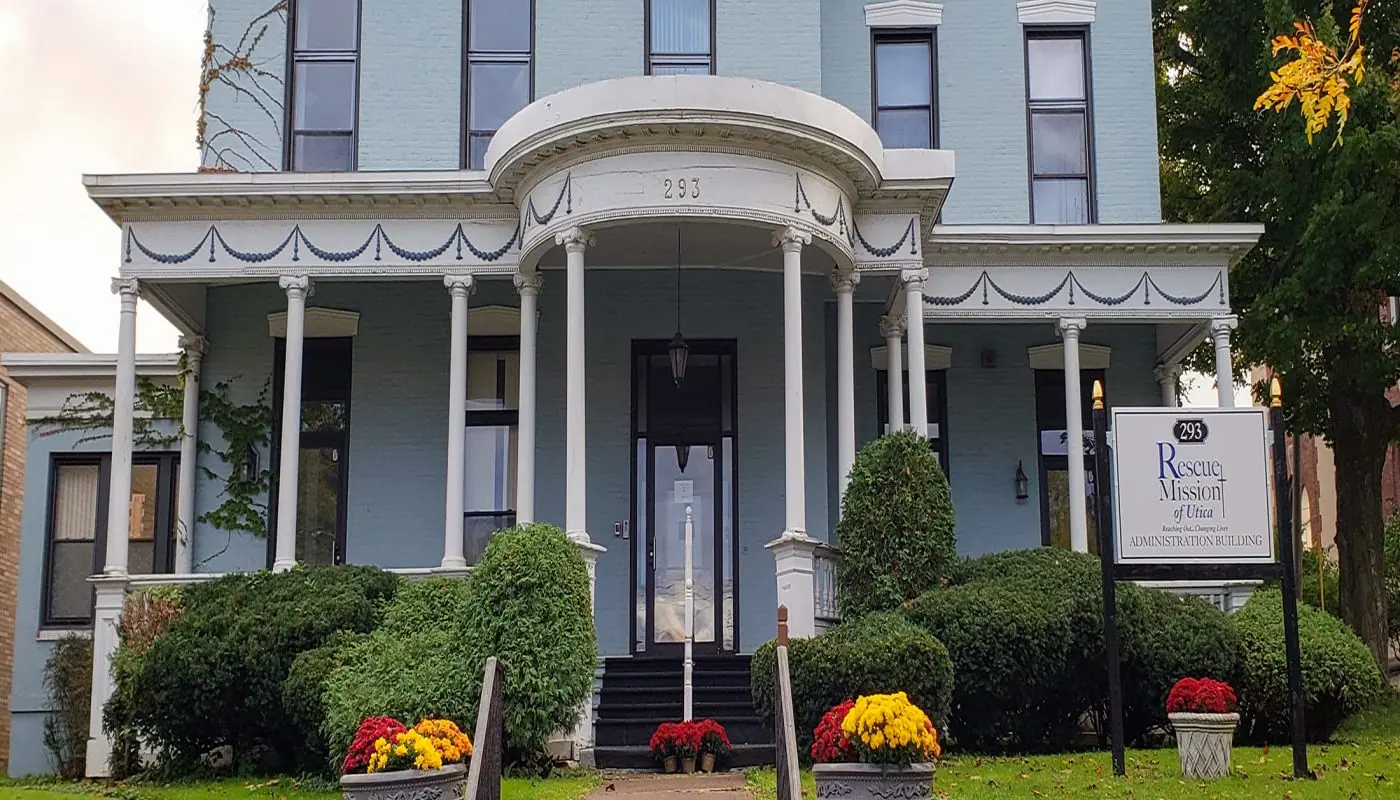
Rescue Mission of Utica addiction Utica is a residential setting on Genesee Street.
View center -
Catholic Charities/Diocese of Syracuse
Utica, NY30 days
- Residential Rehab
- Co-Occurring Mental Health
Catholic Charities/Diocese of Syracuse Utica operates a men's residence with 16 beds.
View center -


FAQ
How long do people usually stay at McPike addiction treatment center Utica?
Most clients stay between 28 and 90 days, and the center lists 90 days as its usual program length. That period allows time for assessment, counseling, relapse prevention work, and planning for continuing care. Because length depends on each person's needs and progress, ask during intake what an expected discharge date might be. If your insurance limits covered days, confirm the details before you commit.
Is McPike addiction treatment center Utica a residential rehab?
Yes. It offers residential rehab for adults, with co-occurring mental health treatment included in the same plan. The facility holds 68 beds, has shared rooms and bathrooms, and is a smoke-free building. Residential care suits people who need a structured setting rather than outpatient visits. You can compare it with the helpline other New York rehabs and check current availability.
Does McPike addiction treatment center Utica accept Medicaid?
The center posts cash pay rates and operates under New York's state addiction services agency, with a stated aim of removing financial barriers to care. Whether Medicaid or a state-funded slot applies to you depends on your coverage and the program's current capacity. Confirm by phone before making plans. Coverage is never promised until it is verified, and with the helpline you can learn what questions to ask.
What are the different types of rehab, and where does McPike fit?
Options range from outpatient counseling and intensive outpatient care to residential treatment and medically managed detox. McPike is a residential program, usually about 90 days, with dual diagnosis care included. When withdrawal management is needed first, a New York detox program should come before residential admission so a clinician can watch the process. Which can be figured out with help from the helpline level fits.
What should I know about withdrawal before entering residential treatment in Utica?
Withdrawal from benzodiazepines or alcohol can become medically dangerous, so a clinician should evaluate someone before their use stops. Residential programs can watch clients closely, yet when medical detox is needed first, it has to be arranged before admission. The helpline connects callers with licensed providers and can help you check what each program offers. Nothing is promised until a provider confirms it.
Checking availability at McPike
If residential care in Utica is on your mind, a brief phone call is the next useful step. Trained people answer the helpline day and night, ready to listen and to connect callers with licensed treatment providers, including this center and others across New York. The call is free, what you say stays private, and no action is required on your part afterward. Call today to confirm current bed availability and insurance coverage at this Utica facility and ask whether the women's program fits. You can also ask how a plan would handle co-occurring conditions and what aftercare looks like.