Community Access New York United States
Community access New York United States starts with what is listed nearby. The state holds 609 SAMHSA-listed facilities, from inpatient drug rehab to outpatient counseling. This page covers one center and how a helpline helps.
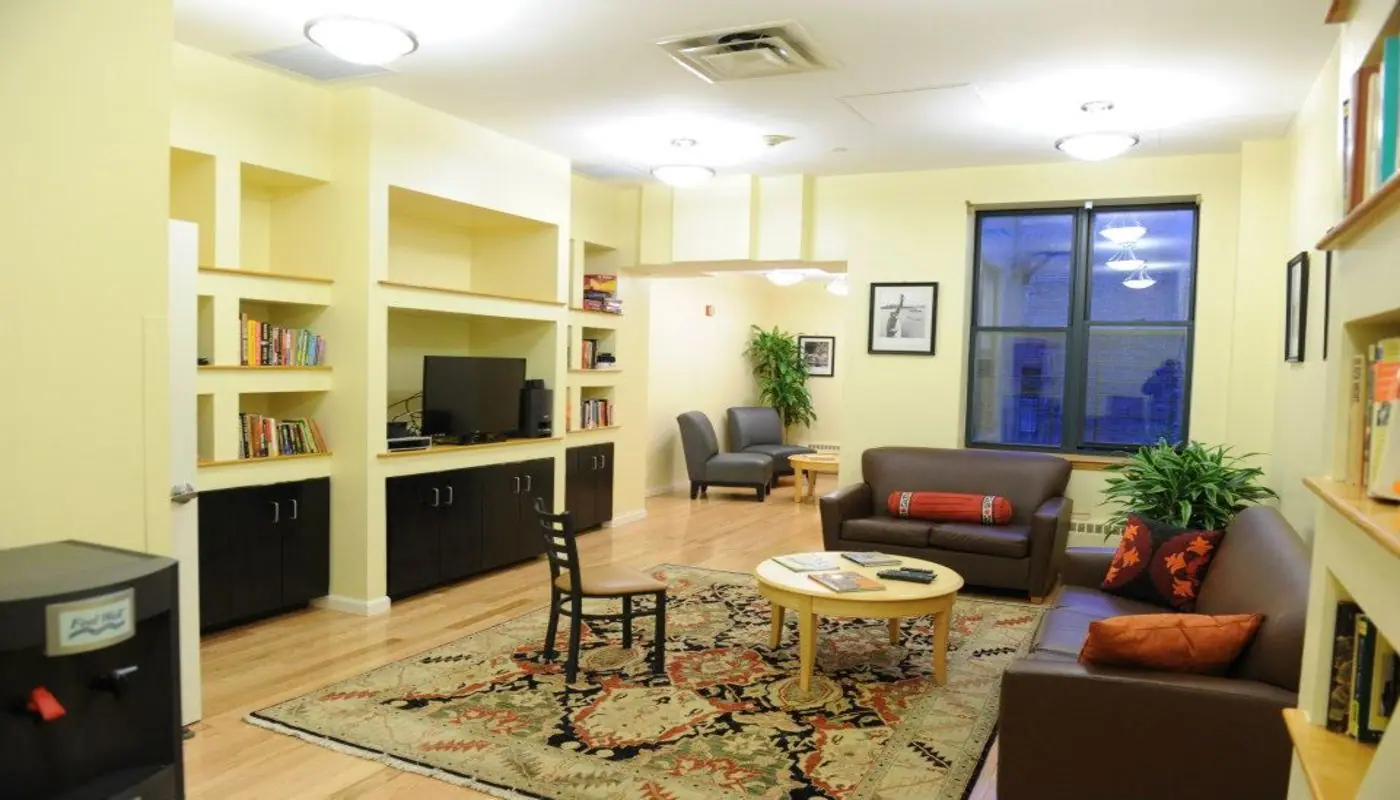
- Residential Rehab
- Outpatient
- 30 days
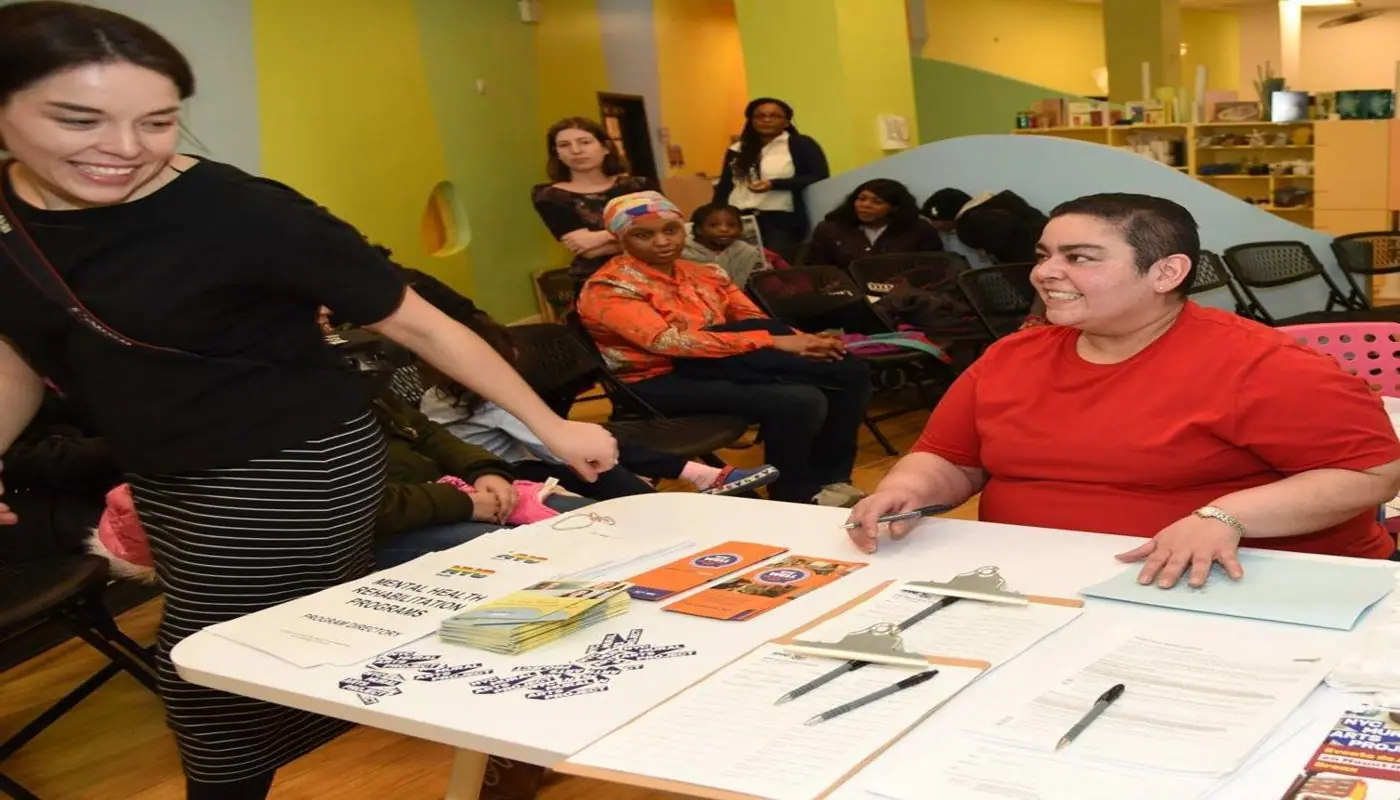
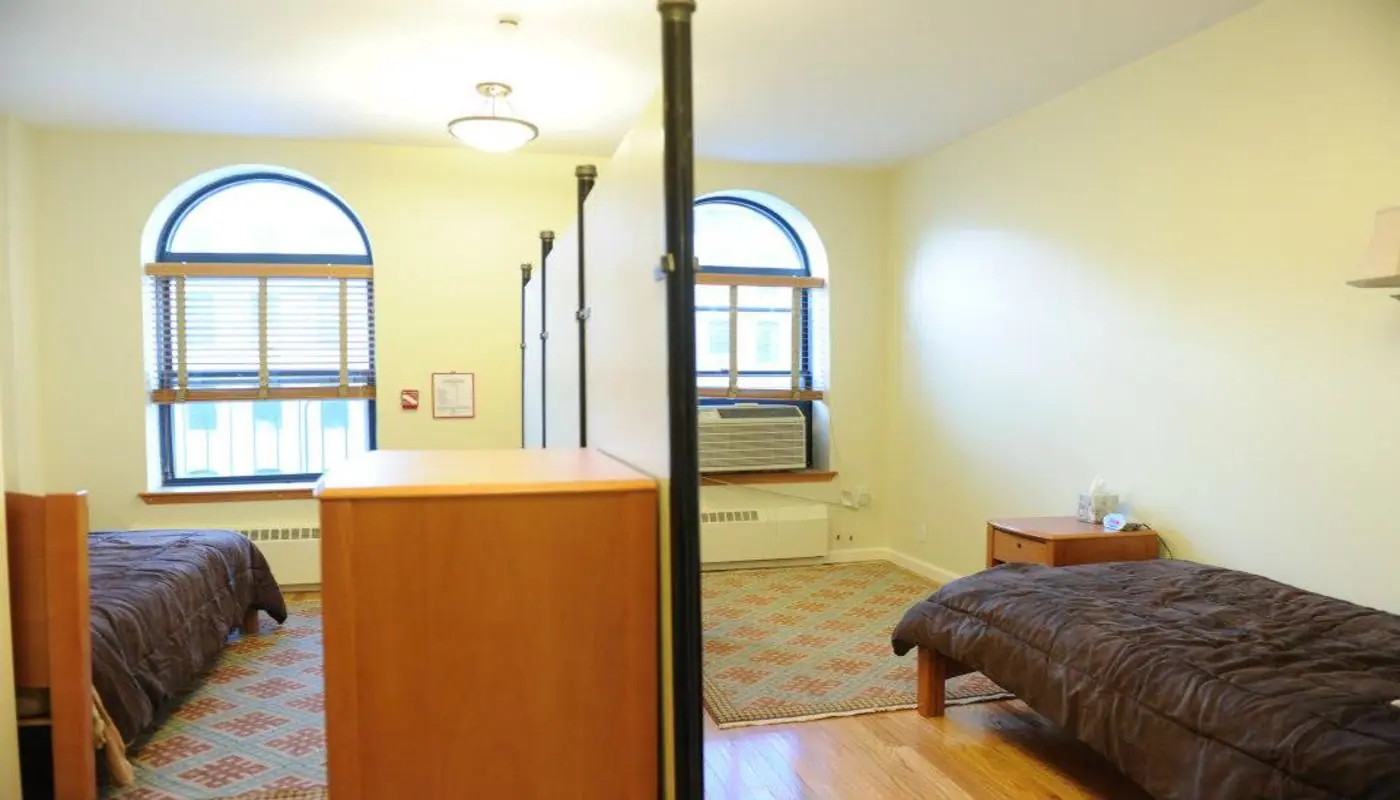

Community Access New York works with adults in New York City who are living with mental health conditions, and often with housing instability at the same time. Founded in 1974, the organization describes a range of support that runs from supportive housing up to crisis intervention, matched to what each person says they need.
The approach leans on peers. People who have been through similar experiences take an active part in helping others, and self-advocacy is encouraged rather than managed. Counseling, mindfulness and creative expression sit alongside practical life skills training, with the stated aim of building self-esteem, easing anxiety and helping people move toward their own goals.
The organization also runs two named efforts. Howie the Harp Advocacy Center prepares people with mental health histories for work in human services, and Residential Crisis Support offers a home-like setting with peer support around the clock as an alternative to a hospital stay during a hard stretch.
Kinds of care and therapies offered here
Community Access New York offers residential rehab and outpatient care, with a typical residential stay of 30 days and scheduled sessions that allow someone to remain at home. An individualized plan shapes both tracks, taking into account the person's diagnosis and preferences. For anyone comparing inpatient drug rehab with outpatient care in New York, the intake conversation is where that choice gets sorted out.
Therapy options include individual counseling, group therapy, art therapy, and meditation and mindfulness. Life skills training is also included, and the center describes its approach as holistic within a therapeutic community model. If a 30-day residential rehab in New York does not fit your schedule, then ask about outpatient drug treatment before you commit.
- 1-on-1 Counseling
- Life Skills
- Meditation & Mindfulness
- Group Therapy
- Art Therapy
- Holistic
- Therapeutic Community
Who this program is designed for
- Adolescents, including boys and girls, in age-appropriate settings
- Adults of any gender, with men-only, women-only and mixed options
- People who identify as LGBTQ+
- People managing anxiety, depression or stress alongside a substance use concern
- People in New York City who are dealing with mental health challenges and homelessness
- People seeking employment counseling or peer mentoring after treatment
Location, duration, and language options
The listed program length for residential care is 30 days, and rooms are described as air-conditioned. Services are provided in English. The address is 2 Washington Street, 9th Floor, New York, NY. Because a 30-day residential rehab in New York may not suit every schedule, ask about outpatient drug treatment options before you decide. If you are coming from outside the immediate neighborhood, then confirm the commute and the daily schedule before you plan a start date.
Paying for care here in United States
The center's listing shows private-pay rates. Insurance does not appear in that listing, so price and coverage should be verified with the center by phone. Calling the helpline about Medicaid drug rehab in New York lets an advisor help you ask what the center accepts. If insurance is your planned way to pay, request plan details and any prior authorization requirements in writing before committing.
Worth asking before you agree to admit
- Does the 30-day residential stay have a fixed length, or can it be extended?
- Which insurance plans do you accept, and what is included in your cash pay rates?
- How are peer mentors assigned, and how often do they meet with residents?
- What does the daily schedule include for counseling, groups and life skills?
- How does the Residential Crisis Support program differ from a hospital stay?
- What language are services delivered in, and is an interpreter available?
Nearby options to weigh
-
Montefiore Medical Center SATP UNIT
Bronx, NY30 days
- Joint Commission
- Co-Occurring Mental Health
- Outpatient
Montefiore Medical Center SATP Unit III is an outpatient program on Jerome Avenue.
View center -
Beacon Center Rome
Rome, NY90 days
- Outpatient
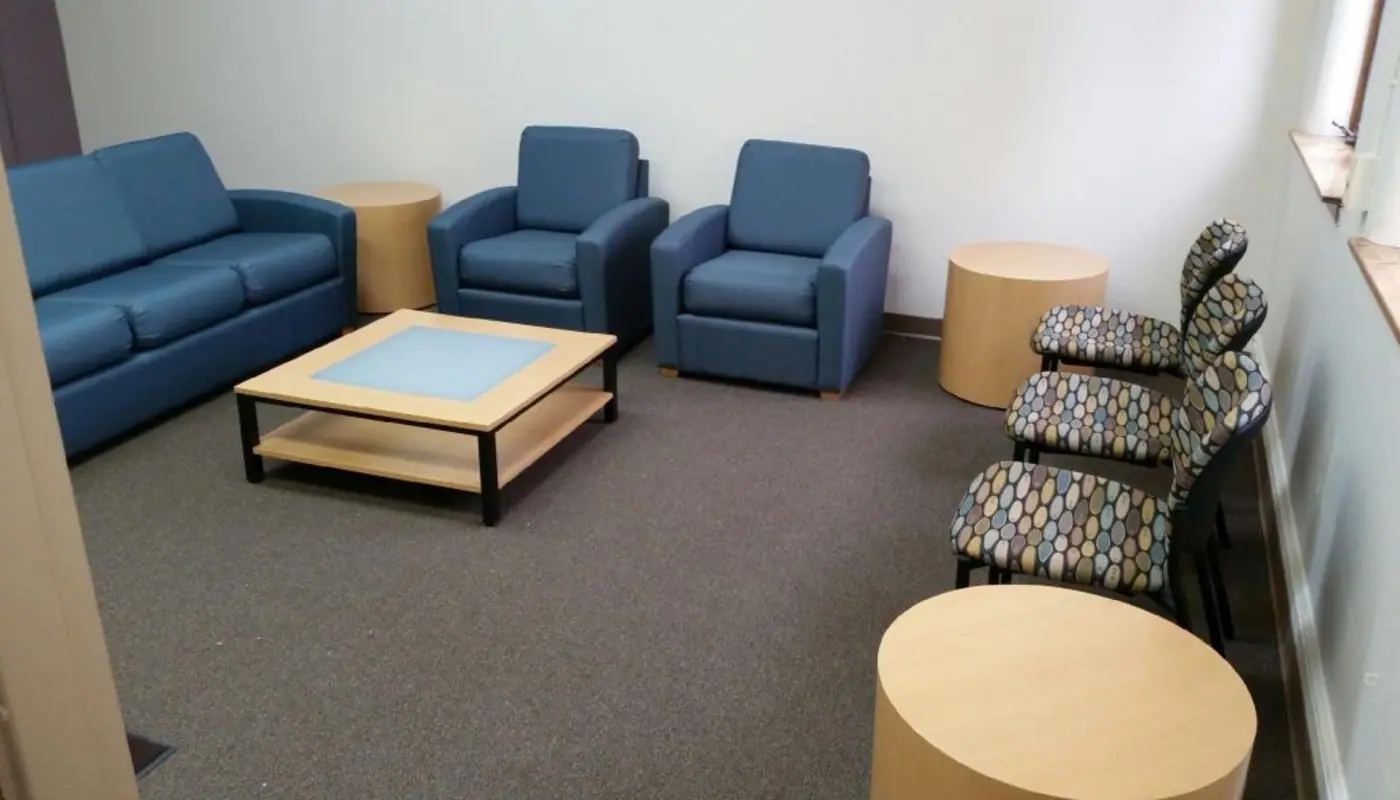
Beacon Center Rome offers outpatient care to people dealing with mental health challenges and substance use.
View center -

Bunkhouse Recovery Ranch
Poughquag, NY30 days · 6-15 beds
- Sober Living
- Co-Occurring Mental Health
Bunkhouse Recovery Ranch Poughquag provides structured sober living for men in New York.
View center -
JD Psychiatry
New York City, NY30 day
- Outpatient
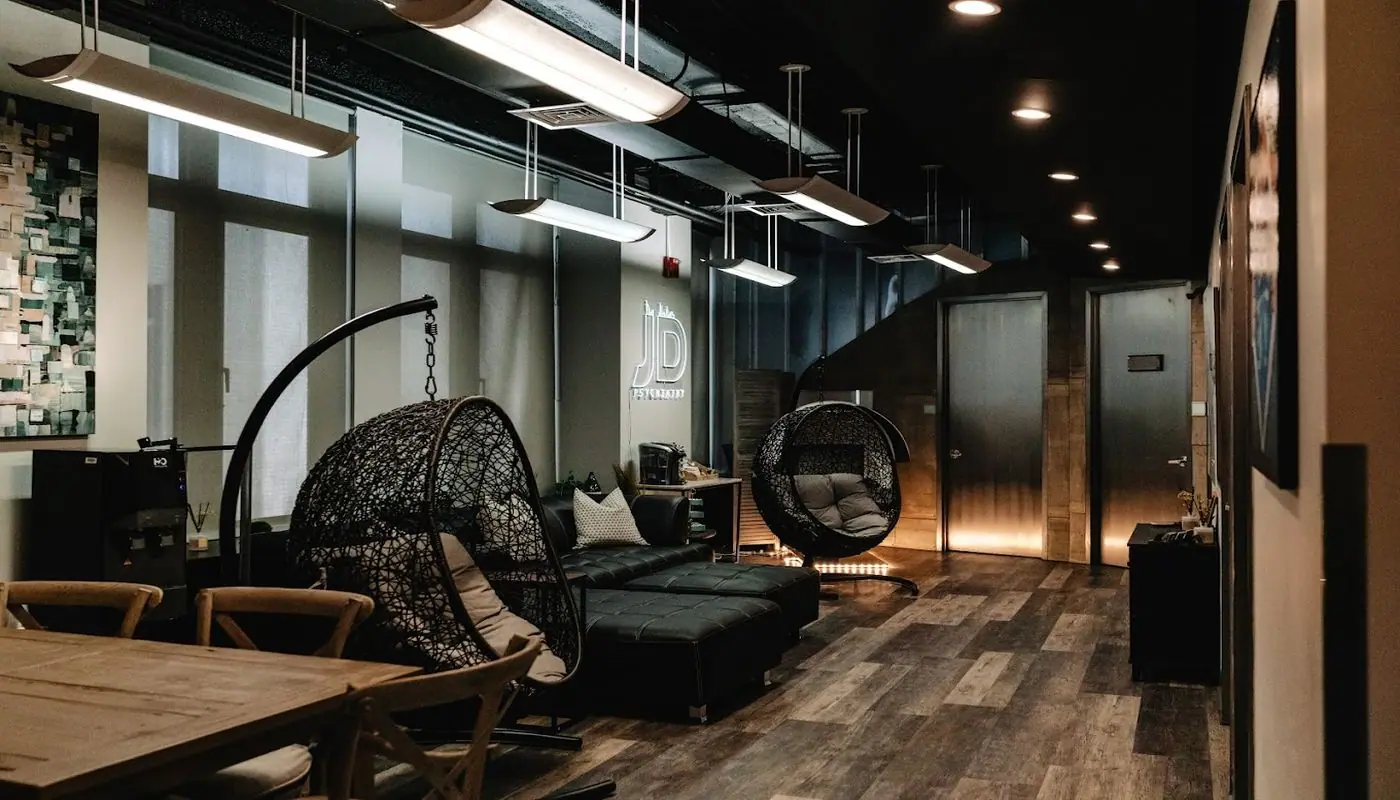
JD Psychiatry New York City is an outpatient practice on Broadway in lower Manhattan.
View center -
- Joint Commission
- Co-Occurring Mental Health
- Outpatient
On Water Street sits Staten Island University Hospital Staten Island, an outpatient methadone clinic.
View center -
Saint Catherines Center for Children
Albany, NY30 days · 16-30 beds
- Residential Rehab
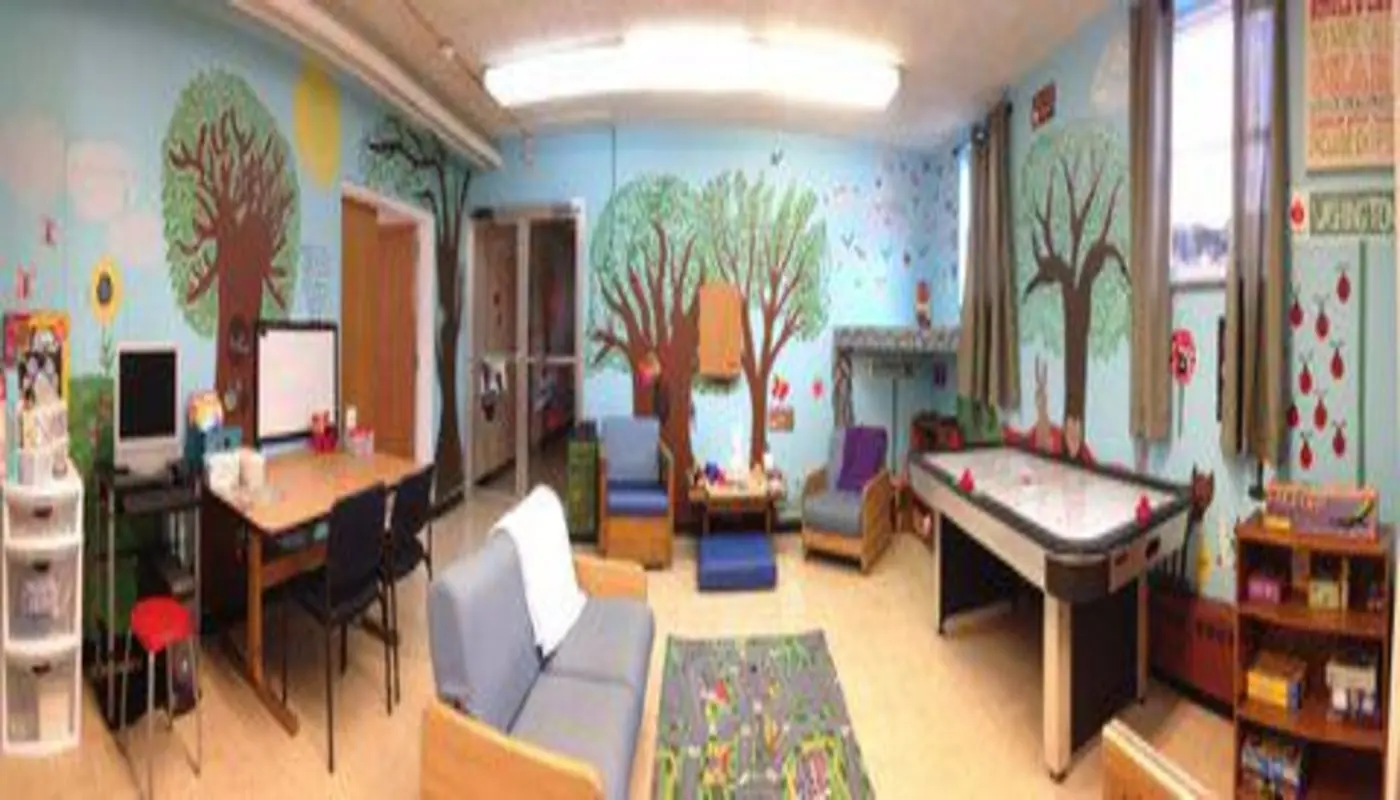
Saint Catherines Center for Children Albany is a residential program on North Main Avenue.
View center

FAQ
What is community access New York United States known for?
This is a New York City organization, started in 1974, that serves people contending with mental health challenges and homelessness. Its listing indicates residential rehab and outpatient care, a typical program length of 30 days, individual and group counseling, art therapy, mindfulness, and training in practical life skills. Peer support and self-advocacy sit at the heart of how the organization describes its work, and our helpline can help you confirm what is currently available.
Does Community Access New York take Medicaid or insurance?
The listing mentions only cash pay rates, with no insurance listed, so coverage must be checked with the center directly. New York's Medicaid program may cover certain substance use and mental health services, though eligibility and participating providers vary. If Medicaid or private insurance is part of your plan, call the helpline so an advisor can help you ask the right questions before you commit to anything.
How long do people usually stay in inpatient rehab?
The listed typical program length at this center is 30 days for residential rehab. Stays at other New York programs range widely depending on clinical need and coverage. If a month away from home or work is difficult, then ask about the outpatient option, which allows treatment while living at home. A clinician can help you judge which level of care fits your situation.
Will the helpline get me admitted to this center?
No. The helpline is staffed by trained advisors who connect callers with licensed treatment providers; it does not promise a bed or admit anyone. Calls are private and cost nothing, and what happens next is your decision. If you want to check availability and coverage at Community Access New York, an advisor can help you place that call and understand what to ask.
What are the different types of rehab available in New York?
New York has 609 SAMHSA-listed facilities, including inpatient drug rehab, outpatient counseling, detox and dual diagnosis programs. Levels of care vary in intensity and schedule, and the right one depends on clinical need, home obligations and coverage. If you are unsure which level fits, then the helpline can walk you through the options and help you compare programs.
Talk to someone about next steps
If you are not sure whether residential or outpatient care fits your situation, a short call can help narrow it down. The helpline is staffed around the clock, costs nothing, and keeps what you say private. Advisors connect people with licensed providers; they do not diagnose, and nothing is decided for you. Reaching out about drug rehab in New York starts with one call about availability and coverage.