Crossroads Community Residential New Rochelle
Crossroads Community Residential New Rochelle is a privately run nonprofit program. Among the 609 facilities in New York listed by SAMHSA, it is one. This page covers whom it serves and how to verify particulars.

- Sober Living
- Residential Rehab
- Co-Occurring Mental Health
- 30 days
Crossroads Community Residential is a private nonprofit residential program in New Rochelle that serves adults dealing with substance use alongside dual diagnosis care and trauma. Its stated focus is integrated care, meaning substance use and mental health concerns are addressed together rather than in separate silos. The program describes its approach as individualized and empathetic, built around treating all of a person's conditions at the same time.
Practically speaking, that describes a residential setting where counseling, group sessions, and relapse prevention are built into the daily routine instead of being offered as separate appointments. The center runs sober living as well, and it lists co-occurring mental health as its own care option. If you are considering residential care for yourself or for someone you care about, the helpline can help you confirm what a normal week truly involves and whether a bed is available.
Because the program is residential, most people enter after an assessment rather than calling and showing up the same day. The helpline operates separately from the center; trained advisors there connect callers with licensed treatment providers. A call is free and confidential, with no strings attached, which makes it a reasonable first move before you decide anything.
crossroads community residential new
Residential rehab, sober living, and dual diagnosis care are shown as the center's main options, and a typical stay lasts 30 days. Therapy offerings include group therapy, family therapy, cognitive behavioral therapy, and individual counseling, along with online therapy, life skills work, trauma-specific therapy, and relapse prevention counseling. Twelve Step facilitation appears in the listing, and Twelve Step participation forms part of the center's approach. As you compare New York rehab centers, ask how the 30-day residential schedule is structured.
Support continues beyond discharge by way of employment counseling and support meetings. When a person leaves residential care without stable housing, aftercare planning becomes the most important question to raise. Ask how aftercare gets arranged and whether the center provides it directly or refers you elsewhere, because that shapes the first month after the 30 days.
- Trauma-Specific Therapy
- Group Therapy
- Family Therapy
- Life Skills
- 1-on-1 Counseling
- Relapse Prevention Counseling
- Cognitive Behavioral Therapy
- Twelve Step
- Online Therapy
- Twelve Step Facilitation
Who this program is designed for
- Adults living with a substance use disorder who need residential structure
- People with dual diagnosis care needing integrated care
- Adults living with trauma who want trauma-specific therapy
- Men, women, young adults, and older adults
- People dealing with gambling concerns alongside substance use
- People seeking to stop smoking who need cessation support
Location, duration, and language options
Crossroads Community Residential, a residential facility in New Rochelle, New York, offers a typical 30-day program with services in English. The listing does not publish bed counts, room details, or amenities, so anything you have heard about the building is best verified directly. If someone needs a shorter or longer stay, ask whether the 30-day figure is a standard or a starting point, because the level of care and the length are set after assessment.
Residential costs and payment here
The listing does not publish payment options, and cost is what callers ask about most often. Medicaid is a common way to fund residential substance use treatment in New York, and the helpline can help you learn whether this center participates. Coverage figures must be verified by phone before you rely on any of them. If private insurance is what you are using, ask for a written benefits check rather than a verbal estimate, because in-network status and prior authorization rules change what you actually owe.
Worth asking before you agree to admit
- Does this center take my insurance in network, and what will my share be after benefits are verified?
- Does the center accept Medicaid, and are there beds available this month?
- How is a co-occurring mental health diagnosis handled during the 30 days?
- What does aftercare look like, including employment counseling and support meetings?
- Who provides trauma-specific therapy, and how often does it happen each week?
Nearby options to weigh
-
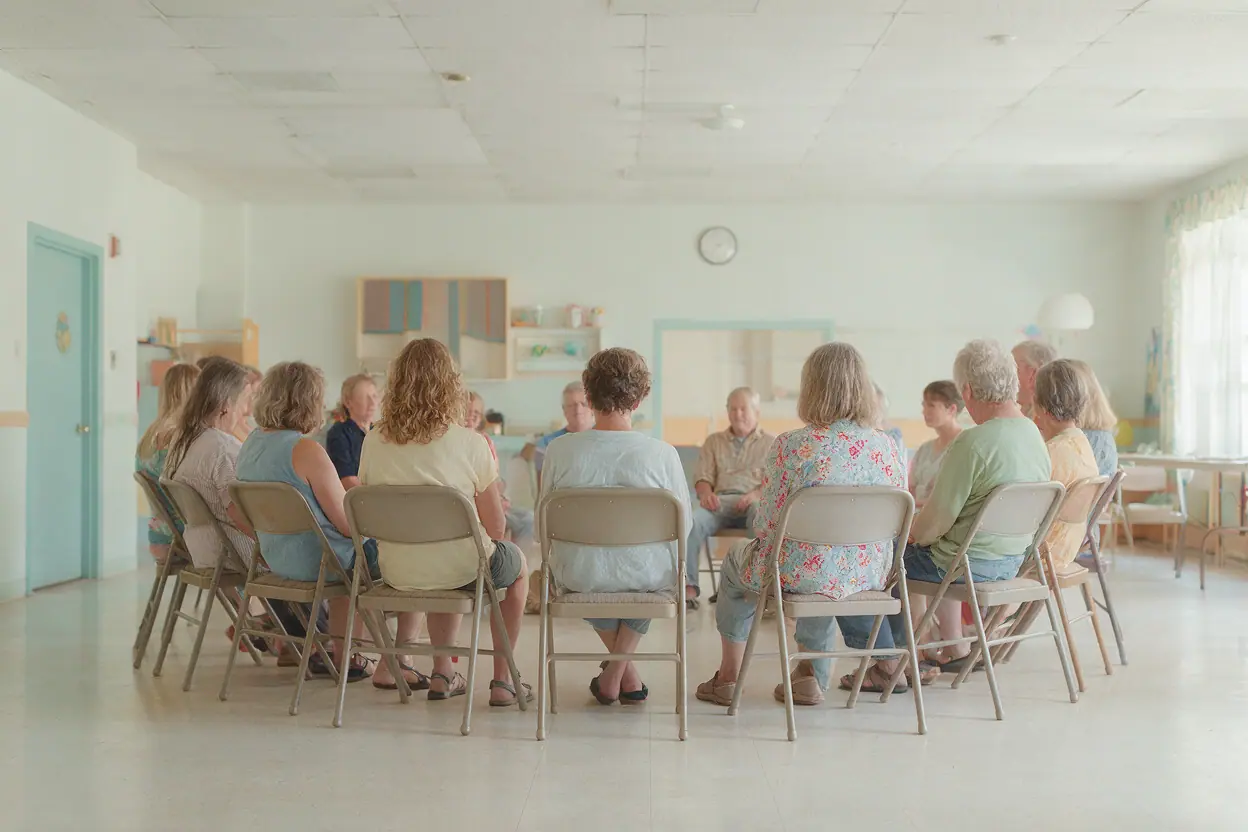
Montefiore Medical Center SATP UNIT
Bronx, NY30 days
- Joint Commission
- Co-Occurring Mental Health
- Outpatient
Montefiore Medical Center SATP Unit III is an outpatient program on Jerome Avenue.
View center -
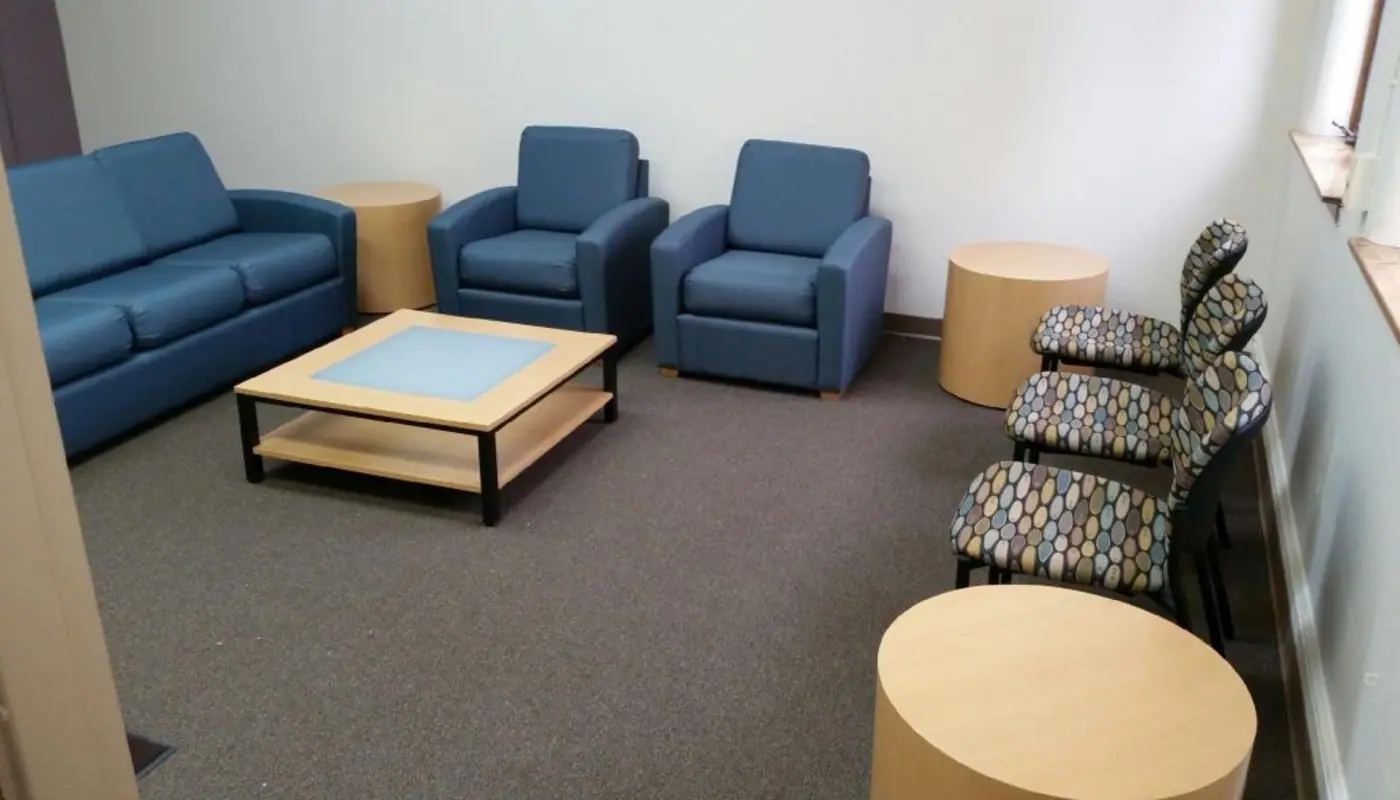
Beacon Center Rome
Rome, NY90 days
- Outpatient
Beacon Center Rome offers outpatient care to people dealing with mental health challenges and substance use.
View center -
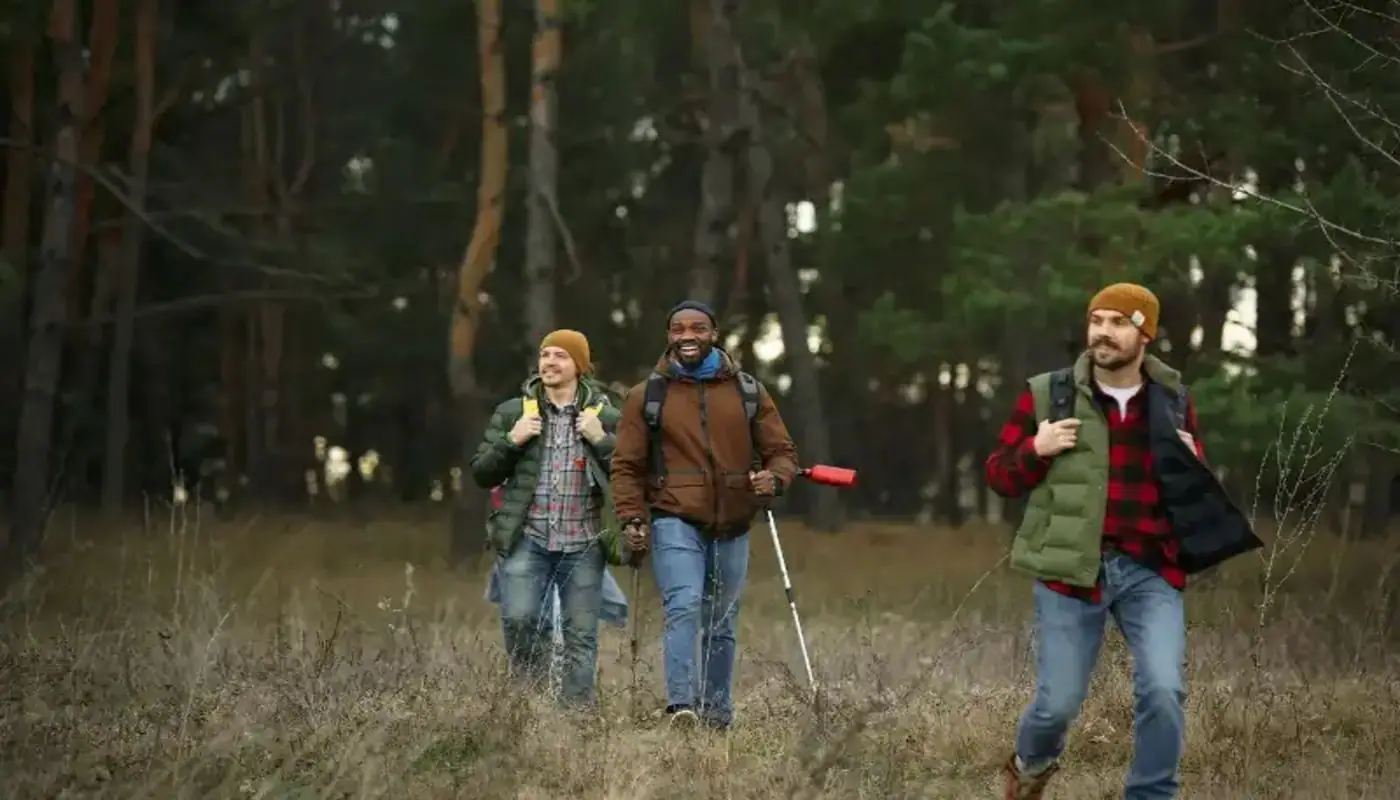
Bunkhouse Recovery Ranch
Poughquag, NY30 days · 6-15 beds
- Sober Living
- Co-Occurring Mental Health
Bunkhouse Recovery Ranch Poughquag provides structured sober living for men in New York.
View center -
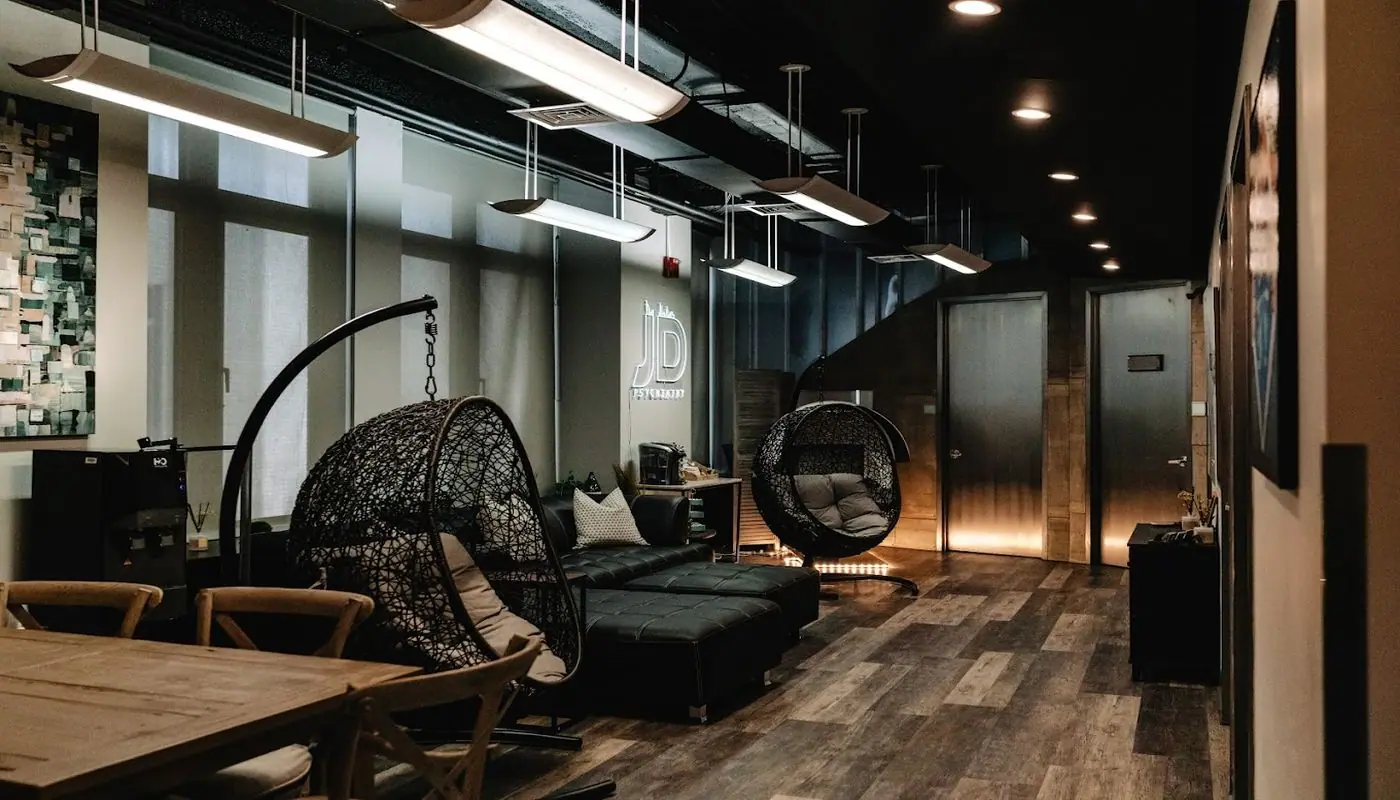
JD Psychiatry
New York City, NY30 day
- Outpatient
JD Psychiatry New York City is an outpatient practice on Broadway in lower Manhattan.
View center -
- Joint Commission
- Co-Occurring Mental Health
- Outpatient
On Water Street sits Staten Island University Hospital Staten Island, an outpatient methadone clinic.
View center -
Saint Catherines Center for Children
Albany, NY30 days · 16-30 beds
- Residential Rehab
Saint Catherines Center for Children Albany is a residential program on North Main Avenue.
View center

FAQ
What is Crossroads Community Residential New Rochelle?
This is a private nonprofit residential facility located at 395 Webster Avenue in New Rochelle, New York, providing integrated care to adults with substance use and dual diagnosis care. Residential rehab, sober living, and co-occurring mental health are listed as care options, and a typical program lasts 30 days. It is one of 609 SAMHSA-listed facilities in the state.
How long do people usually stay in residential rehab here?
The program length typically shown is 30 days. That figure is a norm and not a rule, and the real length rests on the assessment and clinical judgment at admission. If more time is required, ask during intake how extensions are managed and whether insurance would pay for additional days past the initial authorization.
Does this center accept Medicaid or insurance?
Payment details are not published in the facility listing. For residential substance use treatment in New York, Medicaid is a commonly used funding route, and nonprofit centers often accept private insurance. Before you depend on any figure, verify it by phone. You can start that check with the helpline's help at no charge.
What therapies and aftercare does the program offer?
Listed therapies include group therapy, trauma-specific therapy, individual counseling, family therapy, cognitive behavioral therapy, online therapy, life skills, Twelve Step facilitation, and relapse prevention counseling. Aftercare includes employment counseling and support meetings. If ongoing support once you leave matters to you, ask before discharge how those aftercare contacts get arranged.
What should I ask about Crossroads community residential new rochelle before admission?
Find out if your plan is in network and what your share will be once benefits are checked, because cost tops most people's list of questions. Ask whether beds are open this month, how co-occurring mental health needs are addressed across the 30 days, which staff member delivers trauma-specific therapy, and what aftercare covers. The helpline can help you line up these questions and verify coverage.
Confirm space at this facility
A person picks up the helpline around the clock, and it neither treats nor diagnoses anyone. Staff connect callers with licensed providers and can help you ask this center about openings, insurance, and how the 30-day residential schedule works. The call stays private, costs nothing, and you commit to nothing unless you choose to. If you are helping a relative, call when you can talk without rushing and keep the insurance card nearby.