Executive recovery coaching city
Executive recovery coaching city searches often point to private, one-on-one support. New York has 609 SAMHSA-listed facilities, so options run wide. This page covers one coaching practice and how to compare it.

- Co-Occurring Mental Health
- 30 days
Executive Recovery Coaching operates as a private practice based in New York, meeting clients individually instead of providing residential stays. It is built for people facing addictive behaviors who are after lasting change and prefer to protect their working lives. Every client receives a plan written for them specifically, along with steady accountability along the way.
The work focuses on spotting and reshaping the habits that drive substance use, then practicing practical tools for acting differently. Goal-setting and mindset sessions run alongside wellness practices, and life coaching elements are woven through so other parts of a client's life get attention too.
Interventionist help for families and loved ones is also listed, and virtual sessions suit people who need distance or a flexible schedule. Each plan is made for one person, and the practice reports treating substance use together with co-occurring conditions like anxiety and depression. New York recovery coaching services that combine virtual sessions with a 30-day plan structure offer a concrete comparison point next to a residential rehab in New York.
Programs and therapies here in City
The listed program runs about 30 days and blends recovery coaching with life skills work and motivational interviewing. Sessions are individualized, so content shifts with what the client brings that week. Executive recovery coaching city support in New York with non-12-Step and Twelve Step options means the client is not locked into a single philosophy.
Methods range from strengths-based and wellness-focused work to holistic practices, with both Twelve Step and non-12-Step frameworks, so a person who disliked one approach can attempt a different one. Where medical detox or daily clinical contact is needed, a coaching practice is not the right setting, and a higher level of care should be explored first.
- Non 12 Step
- Life Skills
- Twelve Step
- Wellness
- Strengths-Based
- Motivational Interviewing
- Holistic
The people this program was designed for
- Executives and other high-achieving professionals who want discretion
- Men and women seeking private, individualized coaching
- LGBTQ+ clients looking for an affirming setting
- Those dealing with anxiety or depression together with substance use
- Family members and loved ones arranging an intervention
Setting, length and languages in City
A usual course of treatment lasts roughly 30 days, with meetings held online or individually instead of at a residential center. Everything is conducted in English. Since this is a coaching approach, the location is wherever the client happens to be, which is important for executives who are often on the road or unable to step away from work. Virtual executive recovery coaching programs in New York City designed for a 30-day period can accommodate a schedule that a residential stay would not.
Paying for coaching and treatment
Coaching is usually paid out of pocket, so ask the practice directly what a 30-day arrangement costs and what it includes. Insurance might cover some clinical services in New York, but coverage depends on the plan and the provider's credentials. If you want to use insurance, verify benefits by phone before committing, and ask whether the coaching hours count as a covered service or a self-pay one. If the answer is unclear, then one call can confirm availability and insurance with no cost to you.
Questions worth asking this center
- What does a 30-day coaching arrangement include, and what does it cost?
- Are sessions virtual, in person, or both, and how are they scheduled?
- Who delivers the coaching, and what are their credentials?
- How does the practice coordinate with a therapist or prescriber for co-occurring anxiety or depression?
- What if a person calls for a more intensive level of care, like detox or inpatient treatment?

Facilities nearby in City
-

Release Recovery Manhattan Women's
City, NY90+ days · 6-15 beds
- Joint Commission
- Sober Living
- Co-Occurring Mental Health
Release Recovery Manhattan Women's City serves women in New York.
View center -

Release Recovery NYC Men's
City, NY90+ days
- Joint Commission
- Sober Living
- Co-Occurring Mental Health
Release Recovery NYC Men's Transitional City offers sober living for men.
View center -
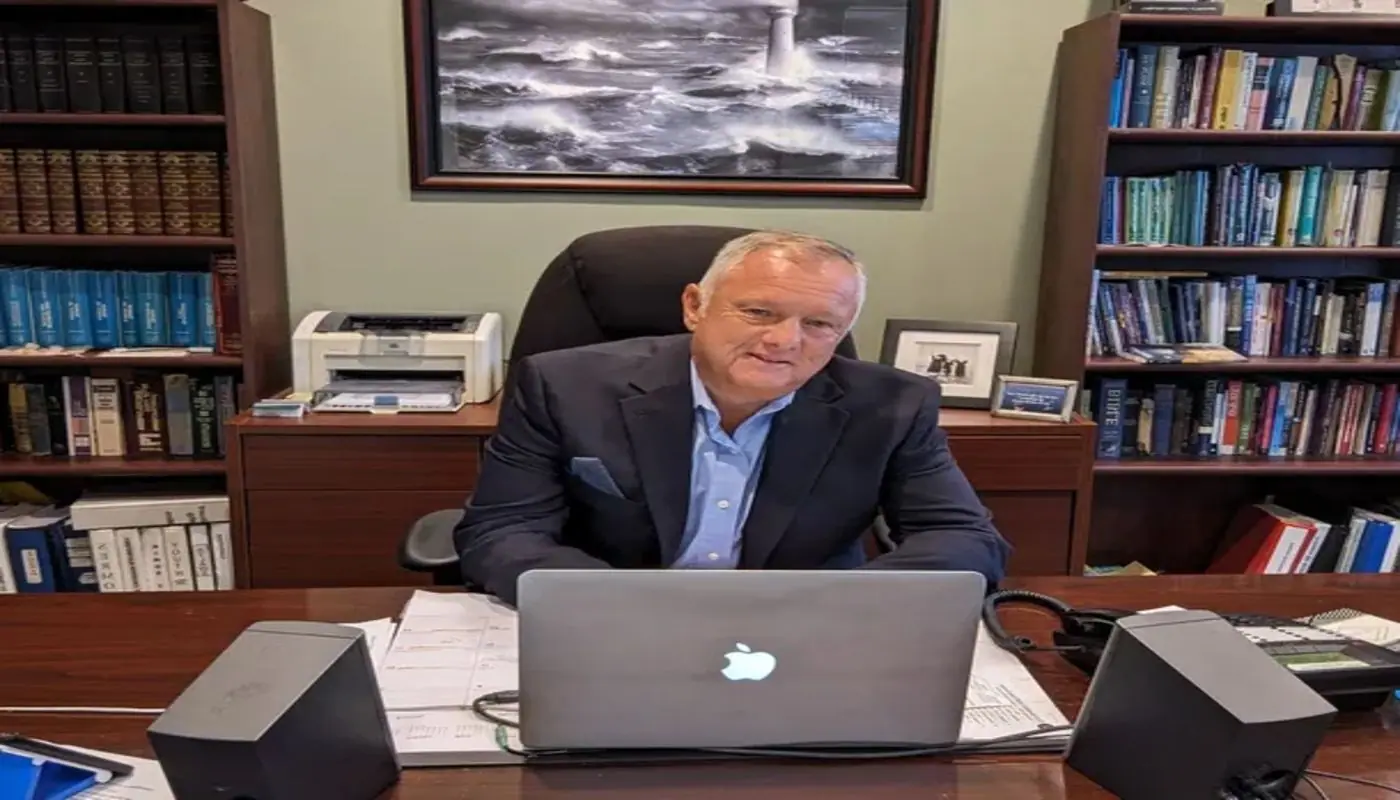
Ground Zero Recovery Coaching-New York
City, NY30 days
- Co-Occurring Mental Health
Ground Zero Recovery Coaching-New York City is a coaching service rather than a residential facility.
View center

FAQ
What are the different types of rehab available in New York?
New York has 609 SAMHSA-listed facilities, spanning inpatient, outpatient and detox services, plus coaching practices like this one that work one-on-one. Coaching suits people who want private, structured accountability; inpatient suits people who need round-the-clock care. If withdrawal from alcohol or benzodiazepines is a concern, a clinician should assess first, because that withdrawal can become dangerous.
How long do people stay in this coaching program?
According to this practice, a routine program lasts close to 30 days and is delivered through one-on-one sessions rather than a residential stay. That is shorter than many inpatient rehab stays and can be extended depending on the client's goals. Ask the practice how the 30 days are structured, how often sessions occur, and what follow-up looks like after the initial period ends.
Does insurance cover executive recovery coaching in New York?
Coverage depends on your plan and on whether the service is billed as clinical treatment or private coaching. Coaching is often self-pay. Before you commit, call your insurer and ask specifically about the service type, and verify benefits with the provider by phone. One call can confirm availability and insurance, and calling it costs nothing.
Where can someone find a higher level of care than coaching?
When a person requires medical detox, residential care, or daily clinical contact, a coaching practice is not the appropriate setting. Of the 609 SAMHSA-listed facilities in New York, many provide inpatient and outpatient programs. New York City executive recovery coaching referrals that link callers to SAMHSA-listed centers are what the helpline offers if someone needs a greater intensity of care.
What is the current state of the drug problem in New York?
On SAMHSA FindTreatment.gov, New York lists 609 facilities, a sign of how broad the need is across the state. The listings show demand for both drug and alcohol services, including inpatient and outpatient programs. If you are unsure where to start, the helpline can point you to options and help you compare them.
Next step for executive recovery
Should this coaching approach look close to what you need, the helpline helps you compare it with other New York options and learn what your coverage allows. Advisors answer at all hours, the call is private, and nothing is expected of you after you hang up. They can also explain which questions to bring to the practice directly, so your first conversation with the center begins on solid ground. Free 24-hour New York helpline support that connects callers with licensed treatment providers is what you reach when you call.