Ground Zero Recovery Coaching-New York City
Ground Zero Recovery Coaching-New York City is a coaching service rather than a residential facility. It is one of 609 SAMHSA-listed programs across New York State. Sessions lean on faith, accountability and practical habits.
- Co-Occurring Mental Health
- 30 days
This is a recovery coaching service rather than a treatment center with beds. It pairs people facing substance use challenges, and the family members who stand beside them, with one-on-one guidance built around faith, community and steady personal change. The work is conversational and practical: setting goals, building routines, and finding a foundation sturdy enough to hold up after the coaching session ends.
Sessions are individual, and the focus falls on relapse prevention, accountability and the everyday skills that keep a person moving in the direction they chose. For anyone who wants a spiritual dimension in their support, faith-based coaching sits at the center of the offering. Emotional and practical problems get attention side by side, since one rarely lifts without the other.
Coaching is not clinical care, and this service does not diagnose or provide medical treatment. Some people use it alongside an outpatient or inpatient program, while others turn to it after discharge to keep structure in place. The helpline can help you sort out which arrangement fits your situation and what to ask before you commit to anything.
Ground zero recovery coaching-New York
Ground zero recovery coaching-New York city draws on life skills, motivational interviewing and spiritual care to help a person name what they want to change and then act on it in manageable steps. Motivational interviewing works by drawing out a person's own reasons for change instead of applying pressure from outside, and life skills sessions turn good intentions into routines that survive an ordinary Tuesday.
For anyone weighing coaching against rehab centers in New York, the formats differ in kind rather than in intensity. The service describes a Christian orientation and lists holistic, non-12-step, spiritual emphasis, strengths-based, twelve-step, and wellness as approaches, and dual diagnosis care is one of its options. Anxiety and depression are the conditions it names. If you are unsure about which level of care works, the helpline will talk it over with you at no cost.
- Christian
- Non 12 Step
- Holistic
- Spiritual Emphasis
- Twelve Step
- Spiritual Care
- Strengths-Based
- Life Skills
- Wellness
- Motivational Interviewing
Who this coaching service is built for
- Adults who want faith-informed, one-on-one recovery coaching in New York City
- Family members and loved ones who need guidance supporting someone with a substance use disorder
- Men and women seeking accountability and relapse prevention support
- People managing anxiety or depression alongside substance use
- Individuals in recovery who want monitoring and testing as part of their accountability structure
- Anyone who prefers virtual coaching to in-person appointments
Program length, where you stay, languages
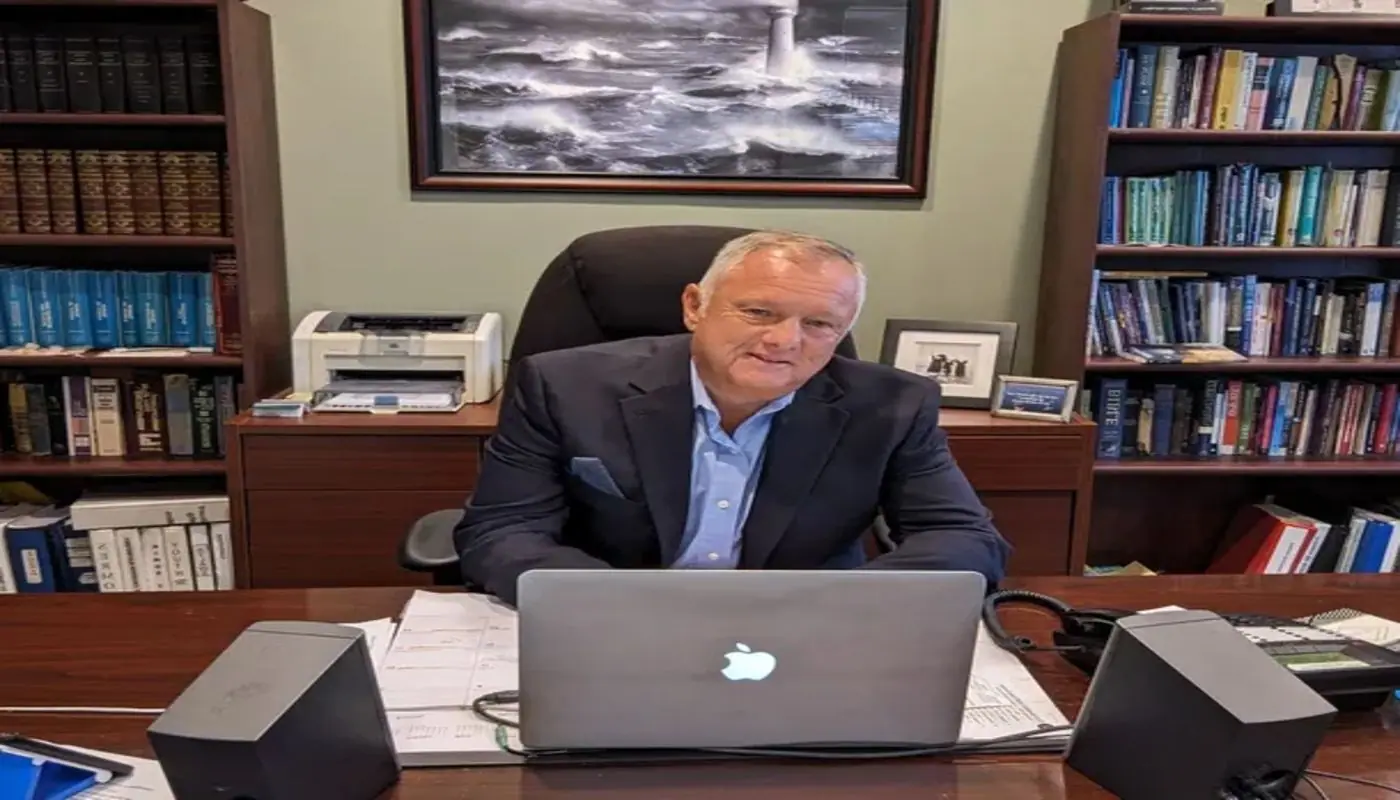
Sessions can be virtual or in person, which fits people traveling across New York City for work or caregiving. The usual program length listed is 30 days, and coaching is offered in English. The listing includes one photo but doesn't list residential amenities, which makes sense for a service centered on conversations and accountability rather than beds and buildings. If you're thinking about a longer arrangement, ask directly what a realistic weekly schedule would be and who you'd check in with between sessions.
Paying for recovery coaching in NYC
Coaching is often paid for out of pocket, and this listing states neither prices nor which insurance plans are accepted. Because cost and coverage shift, the practical step is to ask before you schedule anything. The helpline stays private and free, and calling it signs you up for nothing. Someone there can help you ask whether your plan covers coaching, or whether a SAMHSA-listed program elsewhere in New York might fit your budget more comfortably. If coverage is unclear, get the answer in writing first, so you know what you are agreeing to before sessions begin.
Questions worth asking before you begin
- What does a typical coaching schedule look like, and how many sessions fall within the listed 30-day length?
- Are sessions virtual, in person, or both, and where in New York City do in-person meetings happen?
- Does the coach coordinate with a therapist or prescriber if I also attend an outpatient program?
- Is the spiritual component required, or can coaching stay secular if that suits me better?
- What is the cost, and can you confirm in writing whether my insurance covers any part of it?
Facilities nearby in City
-
Executive Recovery Coaching
City, NY30 days
- Co-Occurring Mental Health
Executive recovery coaching city searches often point to private, one-on-one support.
View center -

Release Recovery Manhattan Women's
City, NY90+ days · 6-15 beds
- Joint Commission
- Sober Living
- Co-Occurring Mental Health
Release Recovery Manhattan Women's City serves women in New York.
View center -

Release Recovery NYC Men's
City, NY90+ days
- Joint Commission
- Sober Living
- Co-Occurring Mental Health
Release Recovery NYC Men's Transitional City offers sober living for men.
View center


FAQ
What is ground zero recovery coaching-New York city?
This is a recovery coaching service in New York City, not a residential rehab. Coaching is one-on-one and built on faith, community and accountability, with relapse prevention and life skills work. A typical program is listed as lasting 30 days. It is one of 609 SAMHSA-listed facilities in New York State, and the free helpline can help you compare it with other options.
Is this the same as inpatient rehab in New York?
No. Inpatient programs provide 24-hour clinical care and medical monitoring; this service offers coaching conversations. That difference matters at higher risk levels. For example, stopping suddenly can be medically dangerous for someone drinking heavily or using benzodiazepines daily, so a nurse or doctor rather than a coach should oversee the process. The helpline can point you toward SAMHSA-listed programs that provide withdrawal care.
Does insurance cover coaching here?
The listing does not say which plans are accepted or what sessions cost. If you want to use insurance, ask the service for written confirmation before you start, and check whether your plan treats coaching as a covered behavioral health service. The helpline call itself costs nothing and leaves you free to decline; it exists to help you gather answers, not to push you toward a decision.
Can coaching help if I also have anxiety or depression?
The service lists dual diagnosis care among its options and names anxiety and depression as conditions it addresses. Coaching can help with daily structure and accountability, but it doesn't replace diagnosis or medication management. If your symptoms are significant, pairing coaching with clinical care from a licensed provider is the safer arrangement, and the helpline can help you find listed programs that treat both conditions together.
Do I need to be Christian to use this service?
Faith sits at the center of how this coaching service describes itself, and it lists a Christian orientation among its approaches. That does not automatically mean everyone who calls must share that belief, but it is worth asking directly how much of a session involves spiritual content. If you want a secular format, then ask before scheduling, and the helpline can also help you compare non-faith-based programs listed in New York City.
Talk it through with someone tonight
The helpline is answered at all hours, and the people on the line are trained to help you weigh your options rather than steer you toward one. A call costs nothing, stays private, and does not enroll you in anything. You can ask about coaching, about SAMHSA-listed rehab centers across New York City and the wider state, or simply describe what the past week has looked like and let someone help you decide where to turn next.