Trapping Brook House Residential Wellsville
Trapping Brook House residential Wellsville is a men-only program on County Rd 30. The house holds 16-30 beds and typically runs 30 days. It serves adult men starting recovery from substance use.
- Residential Rehab
- Co-Occurring Mental Health
- 30 days
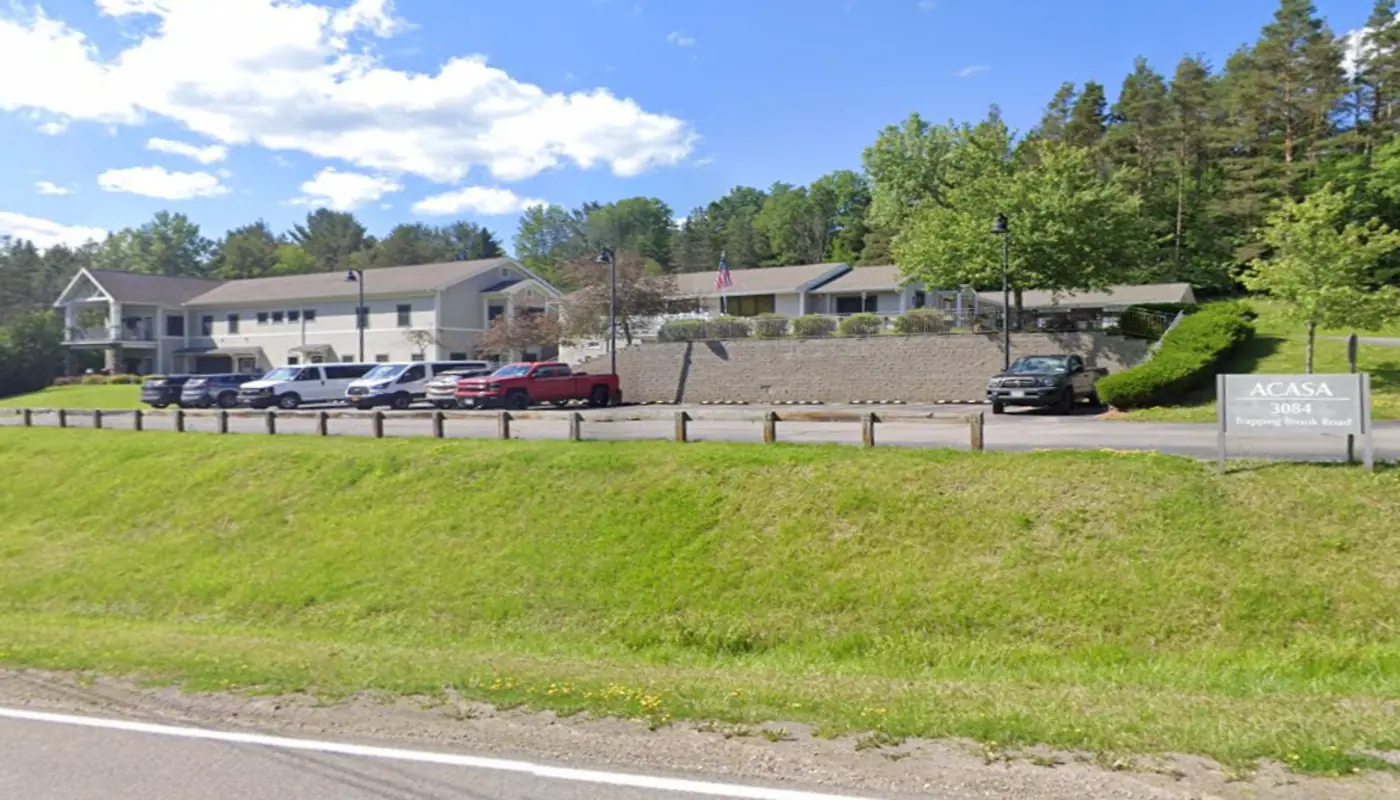
Trapping Brook House opened in 1973 and works with adult men who are at the beginning of recovery from a substance use disorder. Staff aim to bridge the gap between a structured program and ordinary community life, so residents spend their days practicing accountability and sober routines in a house-shaped setting rather than a hospital ward. Peer responsibility is built into daily life.
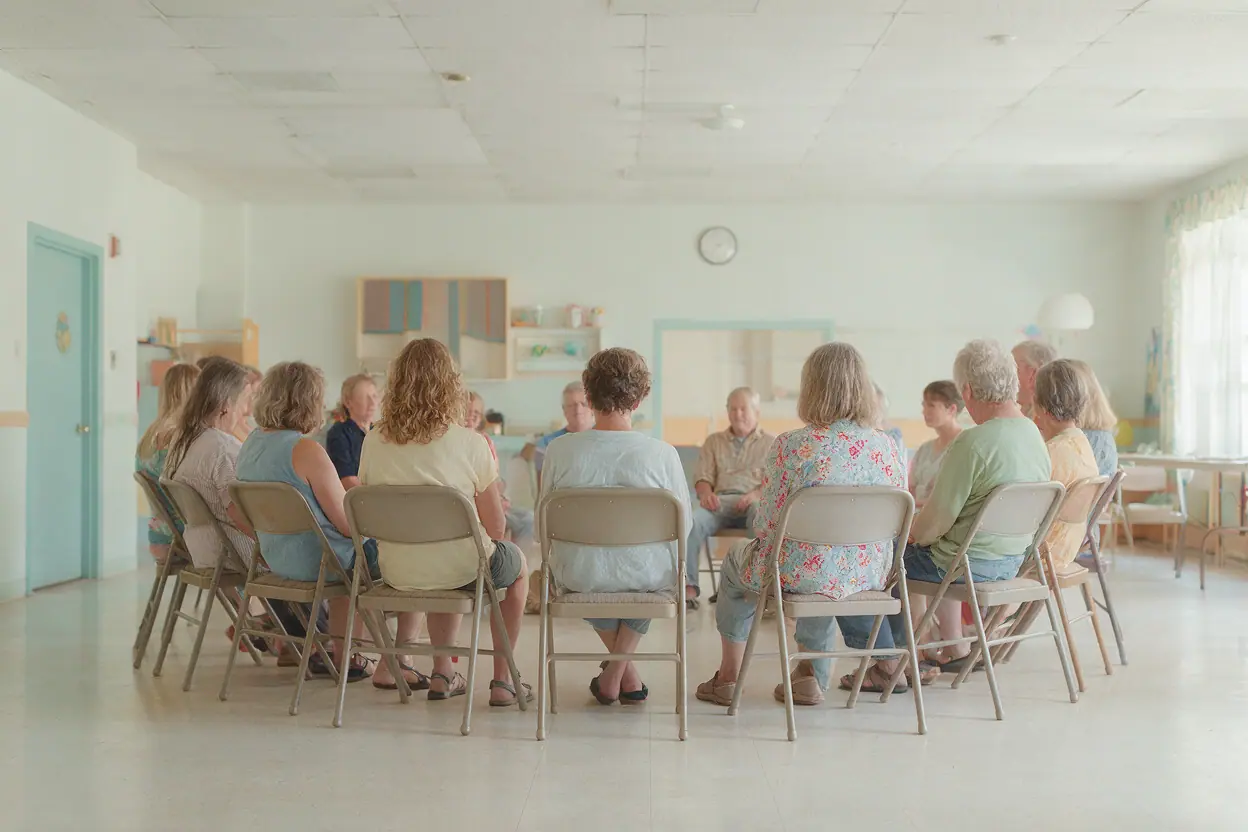
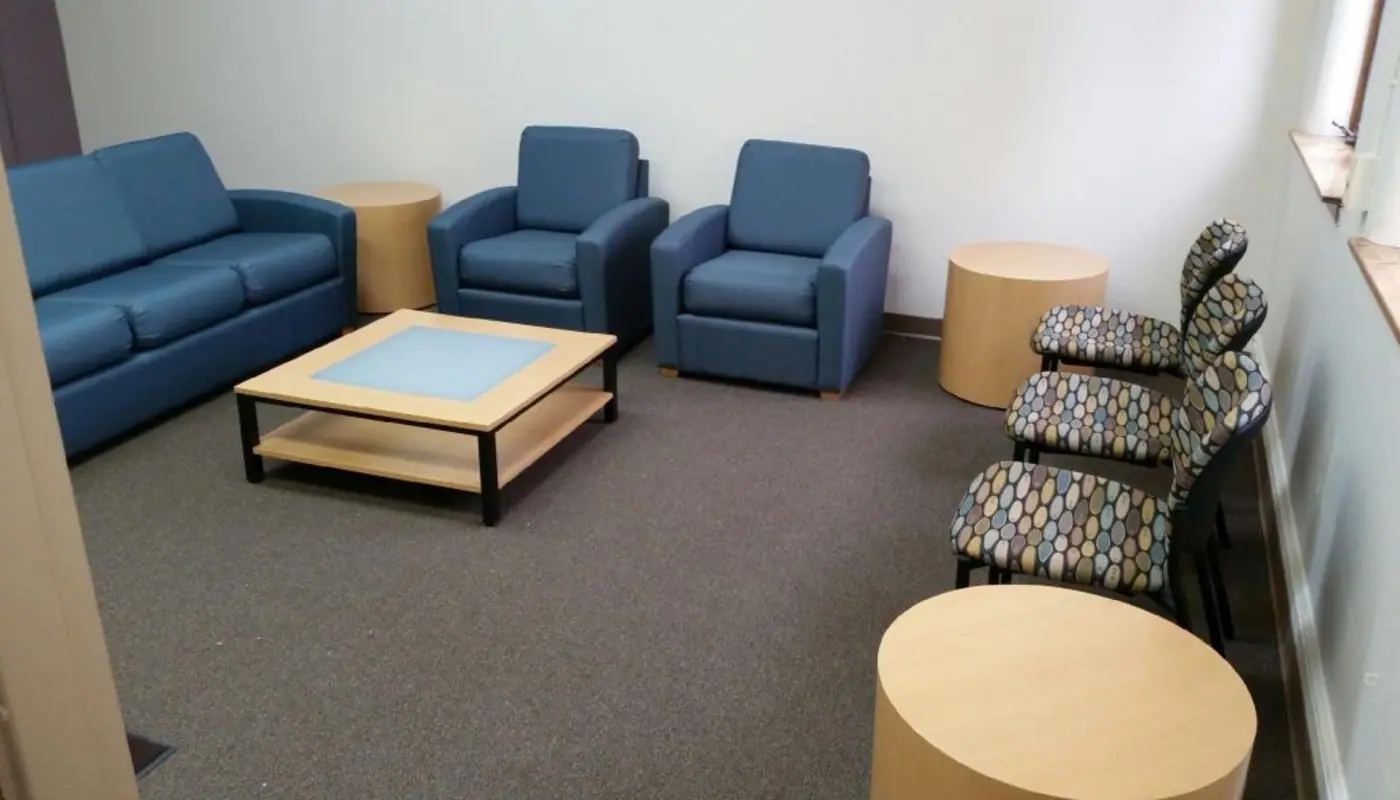
The household runs on shared tasks. Men share bedrooms, complete assigned chores, and prepare meals together as part of the weekly routine. Group meetings and scheduled activities fill the calendar, and residents have indoor common areas with three televisions and video games for downtime. Many people searching for rehab in New York with a small residential setting find the scale here manageable.
Every man in the house puts together his own plan, setting goals for the near term and the longer haul, and carries it out with help from the staff. Residents are expected to keep up with outpatient counseling, therapy groups, self-help and support meetings, and the house meetings, and the center provides rides to those sessions, to recovery gatherings in the area, and to volunteer work. For someone who fits the program, a men-only residential program near Wellsville, New York can bring some steadiness to those first weeks of change.
How trapping brook house residential
Trapping Brook House offers residential rehab alongside dual diagnosis care, so mental health concerns and substance use are addressed in one plan rather than separately. Counseling takes several forms: one-on-one sessions, cognitive behavioral therapy, family therapy, group therapy, life skills work, online therapy options, relapse prevention counseling, trauma-specific therapy and Twelve Step facilitation. Twelve Step involvement is one of the approaches it names, and residents attend self-help meetings as part of the weekly schedule.
Because the stay is typically 30 days, the men here move quickly into routines they can keep after discharge. The house offers aftercare through employment counseling and self-help groups, so planning for work and ongoing meetings starts before someone leaves. Anyone comparing residential drug and alcohol treatment programs in New York should ask how the discharge plan is built during the stay, not after it.
- Trauma-Specific Therapy
- Relapse Prevention Counseling
- Twelve Step
- 1-on-1 Counseling
- Twelve Step Facilitation
- Family Therapy
- Cognitive Behavioral Therapy
- Group Therapy
- Life Skills
- Online Therapy
Who this Wellsville program serves
- Adult men only, per the center's listed focus
- Adult men just starting out in recovery from a substance use disorder
- People with dual diagnosis care
- Residents working on anger, trauma or gambling concerns
- Men dealing with relapse patterns or dependence on substances such as opioids, cocaine, methamphetamine or benzodiazepines
Location, duration, and language options
A stay usually runs 30 days, and the house has 16-30 beds, which keeps the group small enough that shared meals and the daily chore list count for something. Men room together, and the common spaces have three televisions and video games; the center provides rides to outpatient visits, recovery meetings and volunteer work, plus trips out of town for court, medical care or DSS matters when that can be arranged. Services are given in English. If you are looking for a small men's residential rehab in New York, the helpline can tell you how openings look over the next few weeks before you settle on anything.
Paying for this program in Wellsville
Cash pay rates are the payment method listed by this center, so cost questions belong with the program directly. If you are going to use insurance call the helpline and ask that your benefits be verified with this center before any admission date is set. Staff can help you learn what your plan covers, what the daily rate includes, and what paperwork you will need. Your call remains confidential and does not obligate you to anything. For men considering New York state-licensed residential care for men, a short benefits check often settles the timeline.
Worth asking before you agree to admit
- What does the daily rate cover, and are meals, transportation and groups included?
- How is the personal goal plan built, and who reviews it with me?
- Between house meetings, therapy groups and appointments outside, what does a usual week look like?
- How is transportation handled for court dates, medical visits or DSS requirements?
- What does the aftercare plan include for employment and ongoing self-help meetings?
Nearby options to weigh
-
Montefiore Medical Center SATP UNIT
Bronx, NY30 days
- Joint Commission
- Co-Occurring Mental Health
- Outpatient
Montefiore Medical Center SATP Unit III is an outpatient program on Jerome Avenue.
View center -
Beacon Center Rome
Rome, NY90 days
- Outpatient
Beacon Center Rome offers outpatient care to people dealing with mental health challenges and substance use.
View center -

Bunkhouse Recovery Ranch
Poughquag, NY30 days · 6-15 beds
- Sober Living
- Co-Occurring Mental Health
Bunkhouse Recovery Ranch Poughquag provides structured sober living for men in New York.
View center -

JD Psychiatry
New York City, NY30 day
- Outpatient
JD Psychiatry New York City is an outpatient practice on Broadway in lower Manhattan.
View center -
- Joint Commission
- Co-Occurring Mental Health
- Outpatient
On Water Street sits Staten Island University Hospital Staten Island, an outpatient methadone clinic.
View center -

Saint Catherines Center for Children
Albany, NY30 days · 16-30 beds
- Residential Rehab
Saint Catherines Center for Children Albany is a residential program on North Main Avenue.
View center

FAQ
How long do people stay at Trapping Brook House residential Wellsville?
The typical stay is 30 days, though the center sets an individual plan with each resident. That month includes daily chores, shared meals, group meetings, outpatient counseling and self-help attendance. Because the house holds 16-30 beds, ask the helpline about current openings and whether the schedule fits your court, medical or work obligations before you commit to a date.
Does this Wellsville rehab accept insurance or Medicaid?
The payment option shown is cash pay rates, and the center's current information does not indicate that it accepts insurance or Medicaid. Coverage can shift, so the practical move is to call the helpline and ask that your benefits be checked with this program. You can also ask what the daily rate includes and what paperwork the center needs. The call is private and puts you under no obligation.
Who is eligible for this men-only residential program in New York?
This program is for adult men who are at the start of recovery from a substance use disorder, and it also covers men who need dual diagnosis care and who face issues such as trauma, anger or gambling. Among the substances named are opioids, cocaine, methamphetamine, prescription drugs and benzodiazepines. The program itself decides who is eligible, so our phone line can help you confirm whether it fits and check whether space is open.
Can family visit or take part in therapy at Trapping Brook House?
Family therapy is among the counseling approaches listed, so relatives may have a role in treatment, though visiting rules and scheduling are set by the center. Ask the helpline to confirm how family sessions work and what the house expects from relatives during the 30-day stay. That keeps expectations clear before anyone travels to Wellsville.
What happens after the 30-day program ends?
Aftercare includes employment counseling and self-help groups, and discharge planning starts during the stay rather than after it. Staff help residents build routines they can keep, and transportation may be arranged for outpatient appointments and recovery meetings. Ask the helpline how the aftercare plan is put together and what follow-up the center provides. Planning early makes the transition home less uncertain.
Talk about this Wellsville program
Trained people answer the helpline around the clock, ready to listen and connect callers to licensed treatment providers. Calls are free and stay private, and speaking with someone commits you to nothing. If you are helping a man who is ready for residential care, call to ask about openings at this center, how coverage can be verified, and what practical step makes sense next.